

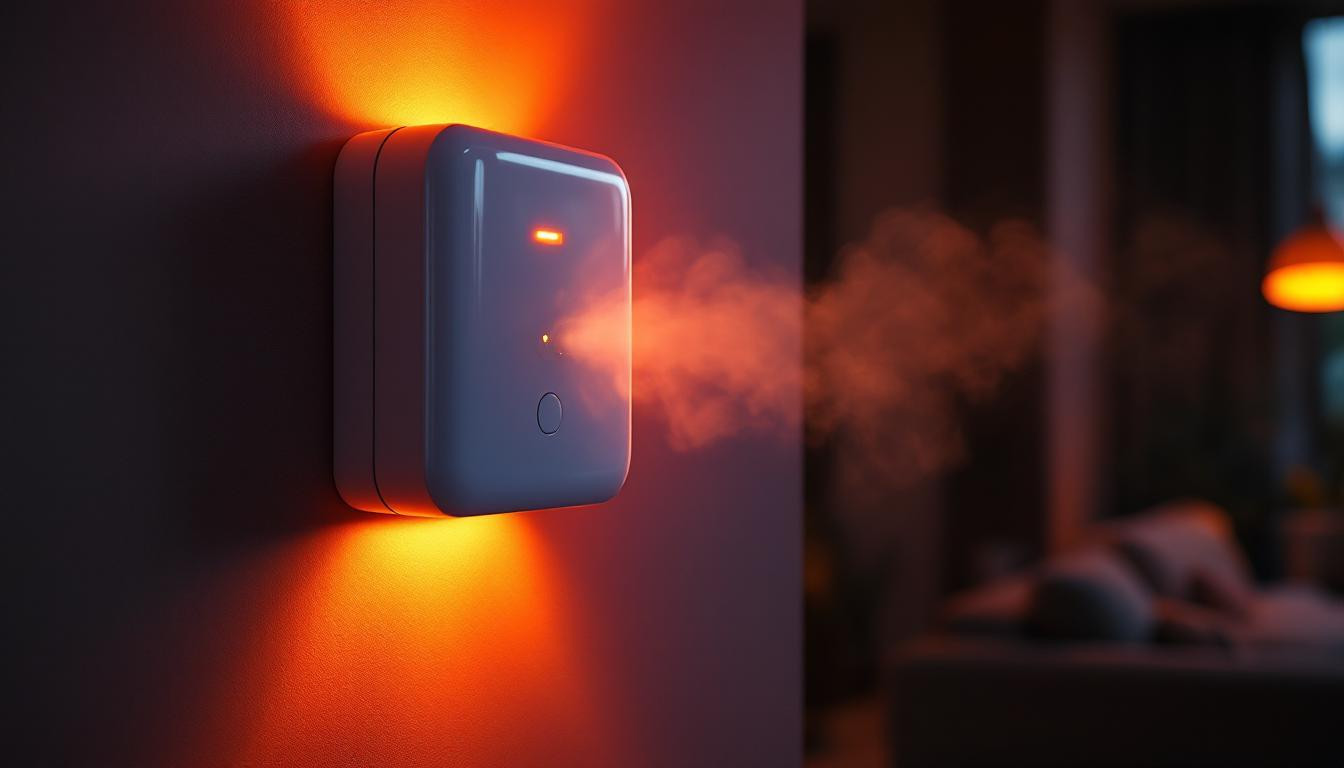
Let’s uncover the hidden dangers lurking in your favorite air fresheners chemicals that might be silently impacting your health with every breath you take. While that vanilla-scented plugin seems harmless, recent studies reveal that 86% of tested air fresheners contain phthalates, powerful endocrine disruptors that interfere with your body’s hormonal balance.
The invisible threat in your living room
Dr. Sarah Thompson, a toxicologist at New York Wellness Center, warns: “Phthalates are like uninvited guests at a hormonal party they disrupt the delicate balance your body works so hard to maintain.” These chemical plasticizers extend fragrance longevity but come with a steep price. Studies link them to reproductive abnormalities, birth defects, and developmental issues in children.
Why synthetic fragrances spell trouble
Beyond phthalates, air fresheners release volatile organic compounds (VOCs) including formaldehyde, benzene, and toluene. Think of these chemicals as tiny invaders that your respiratory system must constantly battle. Formaldehyde is a known carcinogen, while benzene triggers neurological effects and headaches.
Your body’s alarming response
Maria, a 34-year-old teacher, discovered her chronic headaches vanished after removing air fresheners from her classroom. Her story isn’t unique exposure to these chemicals commonly triggers allergic reactions, asthma attacks, and contact dermatitis. Children face particular vulnerability due to their developing organs and increased exposure through play behaviors.
The hidden ingredient deception
Environmental health expert Dr. Michael Chen explains: “Many products labeled ‘unscented’ or ‘natural’ still emit harmful phthalates and VOCs it’s a regulatory loophole that puts consumers at risk.” This labeling confusion makes identifying safe products challenging, as manufacturers aren’t required to disclose fragrance ingredients.
Simple strategies to breathe easier
Protecting your indoor air quality doesn’t require expensive solutions. Consider these natural alternatives:
- Strategic ventilation, open windows when outdoor air quality permits
- Odor source elimination, remove garbage and damp items promptly
- Air-purifying plants, jasmine, roses, and lilies naturally freshen spaces
Natural solutions that actually work
Baking soda acts like a molecular sponge, absorbing odors without introducing harmful chemicals. Place open boxes in problem areas for effective, chemical-free odor control. Essential oils, while containing some VOCs, offer a safer alternative when used sparingly.
Building your defense system
Supporting your body’s natural detoxification processes becomes majeur when reducing chemical exposure. Incorporating foods that boost body detoxification helps your system process unavoidable toxins more efficiently.
The cumulative health impact
James, a 42-year-old father, noticed his family’s respiratory issues improved dramatically after eliminating synthetic air fresheners. Small exposures accumulate over time, potentially leading to hormone imbalances, reduced sperm counts, and increased cancer risks. Even herbal remedies for digestive health work more effectively when your body isn’t constantly processing synthetic chemicals.
Creating lasting change
Your home should be a sanctuary, not a source of toxic exposure. Quality sleep, supported by nutrition strategies for better sleep, becomes more attainable when you’re not breathing chemical-laden air nightly.
Ready to transform your indoor environment? Every small change creates ripple effects throughout your health journey. By choosing natural alternatives and maintaining awareness of hidden chemicals, you’re investing in your family’s long-term wellness. Your lungs and your hormones will thank you for making this essential shift toward cleaner, healthier indoor air.
Published by: Martin Wood — Writer covering uncategorized
Reviewed, corrected and approved by: Martin Wood — Editor-in-chief
Updated on May 4, 2026