
The one-arm cable row swaps the bilateral cable row for a single-arm version, using one handle and one side of the back at a time. The unilateral pulling pattern exposes side-to-side differences, allows a fuller range of motion, and adds rotational core demand — making it one of the most underrated back exercises in the gym.
What it is
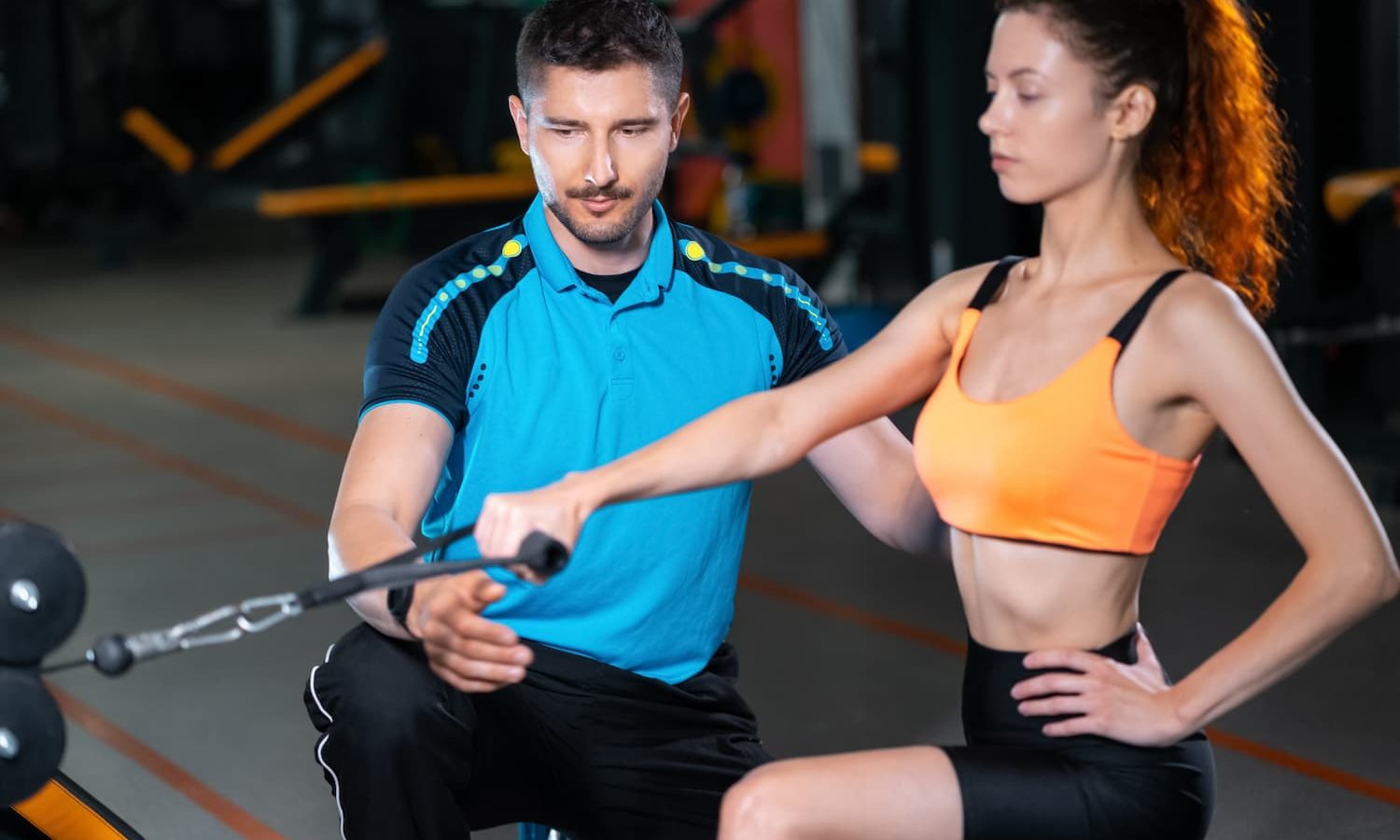
The one-arm cable row is a seated cable row performed with a single-handle attachment and one arm at a time. Seated facing the cable stack, the lifter rows the handle from full arm extension to the side of the torso, working one lat at a time. The free hand braces lightly on the thigh or holds a support.
Muscles worked
| Muscle | Contribution |
|---|---|
| Lats (working side) | ~45 % |
| Rhomboids, mid-traps | ~25 % |
| Biceps, rear delts | ~20 % |
| Obliques, core | ~10 % |
How to one-arm cable row: 5 steps
-
Set up the cable
Set the cable to **low pulley with a single-handle attachment.** Sit facing the stack.
-
Grip and brace
**Grip the handle with the working hand,** other hand braced on the thigh. Sit tall.
-
Reach forward
**Allow the working arm to extend forward with a small lat stretch.** Don't round the back.
-
Row to the side
**Pull the handle to the side of the torso, elbow tight to the body.** Squeeze the lat at the top.
-
Controlled descent
**Let the arm return forward over 2 seconds** to a full stretch. Complete reps, switch sides.
How it differs from seated cable row
- Unilateral pulling. One side at a time corrects imbalances and identifies weakness.
- Longer range of motion. The single handle can travel further back at the top.
- Rotational core engagement. Obliques work isometrically to resist rotation.
- Better connection. Easier to feel and isolate the working lat than with bilateral pulling.
Common mistakes
When to use this variation
Use one-arm cable rows for unilateral back work, to correct side-to-side imbalances, or as a finisher for focused lat hypertrophy. Program 3-4 sets of 10-15 reps per side. Pair after compound rowing like barbell rows or pull-ups for a high-quality back-focused finish to the session.
FAQ
Should I let the torso rotate?
A small amount of rotation (15-20°) is fine and adds a stretch. Excessive rotation turns the rep into a torso swing and loses lat focus.
What grip?
Neutral (palm facing in) is the most common and easiest on the wrist. Pronated and supinated grips are both valid for variation.
One-arm cable row or dumbbell row?
Both train one arm. The dumbbell row uses gravity and a hinged stance. The one-arm cable row uses a constant horizontal pull. Cable provides more uniform tension; dumbbell allows heavier loads.
Related exercises
- Seated Cable Row: bilateral version
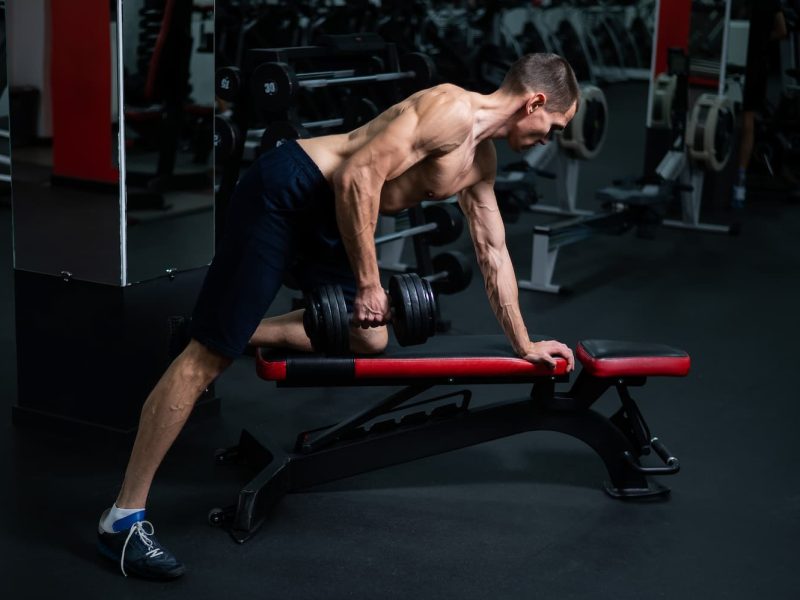
- Dumbbell Row: free-weight unilateral
- Meadows Row: unilateral landmine row
- Standing Cable Row: standing-position alternative
Published by: Jay — Writer covering back exercises
Reviewed, corrected and approved by: Martin Wood — Editor-in-chief
Updated on September 29, 2026