

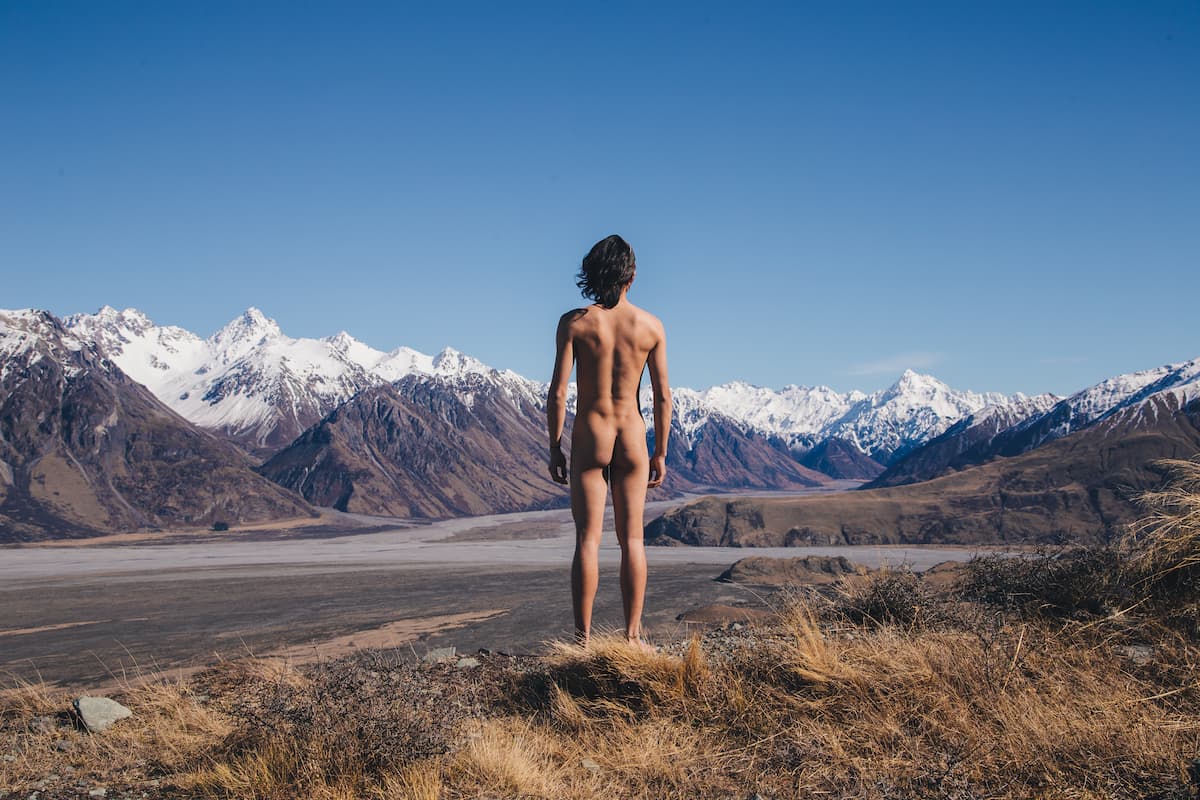
Naked Hiking Day, a niche celebration held around the summer solstice, draws both interest and legal concerns.
While this event encourages embracing nature in an unfiltered way, understanding its background and legal nuances is central for any would-be participants.
This article explores the historical roots of naked hiking, its legal ramifications, and practical considerations for those daring enough to try.
Historical perspective: The origins of naked hiking
Summer solstice celebrations
The tradition of summer solstice celebrations dates back to Neolithic times. Early humans utilized the summer solstice as a marker for agricultural activities, making it a critical time of the year. In Greece, the summer solstice was significant enough to mark the beginning of their new year.
Pagan rituals and magic
Modern pagans believe that the summer solstice, also known as Litha, harbors potent magical energies. They often build bonfires to enhance the sun’s power, connecting with its long-standing mystical associations.
Legal implications: Navigating the rules of naked hiking
Laws on indecent exposure
Massachusetts criminal defense attorney Daniel Capetta provides insights into the legal risks of naked hiking. In most public places, especially on trails, exposing your genitals can lead to charges if someone feels offended and reports you.
- Indecent exposure: Requires intentional exposure of genitals in a non-private space.
- Open and gross lewdness: More severe and could come with heavier penalties.
- Disorderly conduct: Applicable if someone’s nudity disrupts other visitors significantly.
Law enforcement jurisdiction
On lands managed by the Forest Service or Bureau of Land Management, local and state laws still apply. Rangers have the authority to arrest or cite individuals for public nudity, meaning that even remote areas aren’t exempt from these regulations.
Intent matters
The key determinant in potential legal consequences is intent. Charges may escalate based on whether the nudity appears deliberate with the intention to shock or offend others.
Practical considerations: Preparing for the trail
Seeking permissions
One essentiel step before embarking on a naked hike is to obtain permission from landowners when traversing private property. Failure to do so can result in trespassing charges, adding another layer of legal risk.
Testing gear
Mary Beth “Mouse” Skylis emphasizes the importance of testing gear under conditions similar to the actual hike. During her 30-mile thru-hike test run on North Carolina’s Art Loeb Trail, she fine-tuned her equipment to ensure a smooth experience.
- Footwear: Even without clothes, sturdy shoes are essential.
- Backpacks: Choose ones that minimize chafing against skin.
- Trail supplies: Ensure you have adequate water, sunscreen, and insect repellent.
Social and psychological impacts: Why some choose to hike naked
Connection with nature
Many hikers find that being nude deepens their connection with nature, allowing them to experience the environment in a raw and authentic form. This connection often brings about a sense of freedom and exhilaration.
Breaking social norms
Nude hiking can also be seen as a rebellion against societal norms and conventions, making it appealing to those who view it as a form of personal expression and liberation.
Handling encounters: What to do if you meet a nude hiker
Respect and consent
If you encounter a nude hiker, remember that respect and consent are paramount. Avoid taking photos without permission and act in a manner that respects their choice while maintaining your comfort.
Reporting concerns
If the presence of a nude hiker offends you or disrupts your experience significantly, you may report it to local authorities. Remember, the law is on your side if you feel uncomfortable with their presence.
Naked Hiking Day, symbolic of both ancient traditions and modern-day adventurism, carries multiple facets from historical ties to legal intricacies and practical advice. If you’re considering participating, thorough preparation and understanding local laws will help ensure your experience is both memorable and legally safe.
So, whether you’re enticed by the spiritual allure of fully immersing yourself in nature or simply curious about the trend, make informed choices and hike responsibly. Happy trails!
Published by: Martin Wood — Writer covering uncategorized
Reviewed, corrected and approved by: Martin Wood — Editor-in-chief
Updated on September 29, 2026