

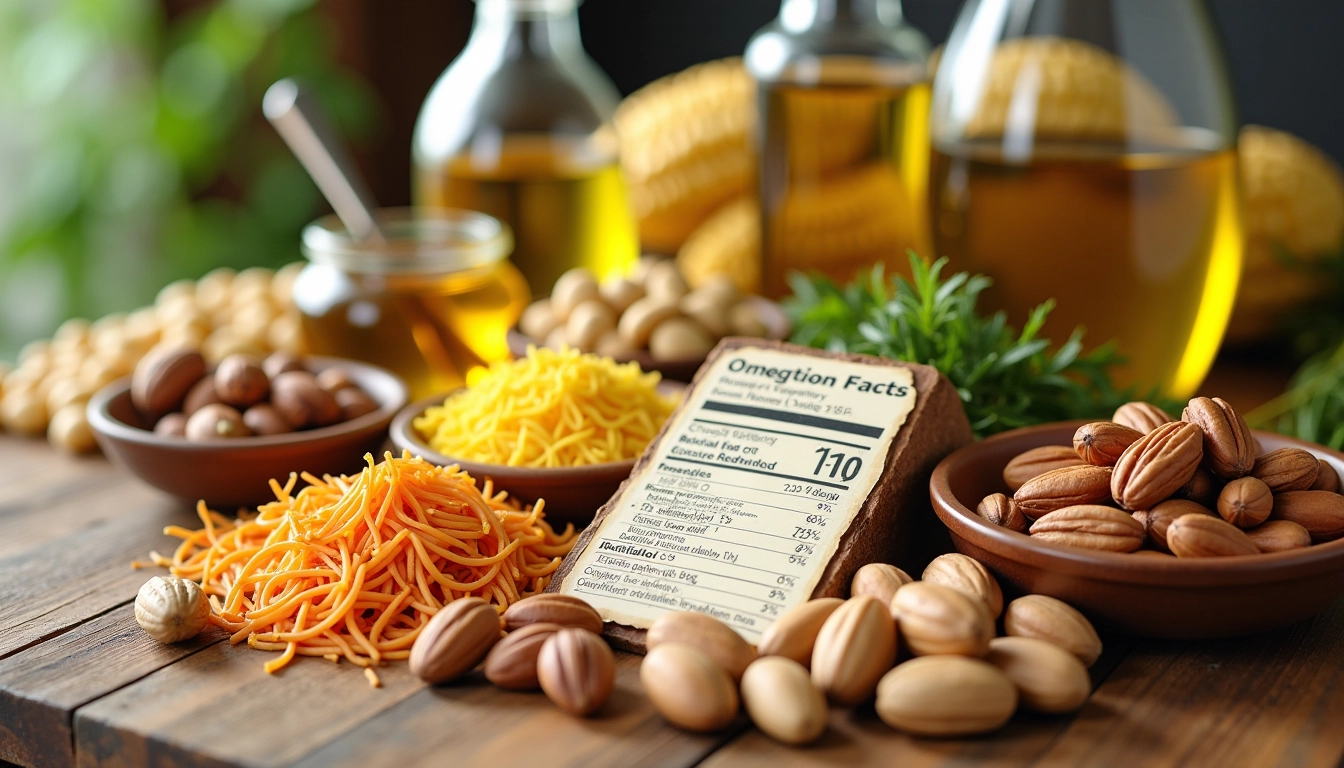
Unlock the power of essential fats! Let’s embark on a journey through the intricate world of omega-6 fatty acids, the unsung heroes of our cellular health. While you may have heard whispers about their controversial nature, it’s time to separate fact from fiction and discover how these vital nutrients could be the key to unlocking your body’s full potential. Are you ready to revolutionize your understanding of dietary fats and potentially transform your health? Let’s dive in!
What Are Omega-6 Fatty Acids?
Omega-6 fatty acids are a type of polyunsaturated fat that our bodies cannot produce on their own. These essential fatty acids play majeur roles in various bodily functions, from supporting heart health to regulating inflammation. As Dr. Emily Chen, a nutritionist at the Austin Wellness Institute, explains, “Omega-6 fatty acids are like the body’s cellular construction workers. They help build and maintain the very structure of our cells, ensuring they function optimally.”
The Vital Role of Omega-6 in Your Body
Omega-6 fatty acids are energy sources and vital for cell membrane structure and function. They’re not just passive components; they’re active players in our health. Imagine your body as a bustling city, with omega-6 fatty acids serving as the power lines, providing energy and maintaining communication between different “neighborhoods” of cells. This analogy underscores their importance in keeping our bodily systems running smoothly.
Sources of Omega-6: Where to Find These Powerhouse Fats
Foods high in omega-6 include vegetable oils, nuts, seeds, and processed foods. However, not all sources are created equal. Let’s break down the best ways to incorporate omega-6 into your diet:
- Vegetable oils (sunflower, corn, soybean)
- Nuts (walnuts, almonds, pistachios)
- Seeds (pumpkin, sunflower)
- Whole grains
Dr. Sarah Thompson, a cardiologist at New York Wellness Center, advises, “While omega-6 fatty acids are essential, it’s essentiel to choose whole food sources over processed options. Think of it as choosing premium fuel for your body’s engine.”
The Heart Health Connection: Omega-6 and Cardiovascular Wellness
One of the most significant benefits of omega-6 fatty acids is their potential to support heart health. These fats help lower harmful LDL cholesterol while boosting protective HDL cholesterol. It’s like having a team of microscopic janitors cleaning out your arteries, reducing the risk of plaque buildup and potentially lowering the risk of heart disease.
A compelling study published in the Journal of the American Heart Association found that replacing saturated fats with omega-6 fats reduced the risk of coronary events by an impressive 24%. This statistic highlights the power of making smart dietary choices in protecting our cardiovascular system.
Inflammation: Friend or Foe?
There’s been a long-standing debate about whether omega-6 fatty acids promote inflammation. However, recent research paints a more nuanced picture. Dr. Michael Gregor, a renowned nutrition expert, states, “Contrary to popular belief, omega-6 fatty acids, when consumed as part of a balanced diet, may actually have anti-inflammatory effects.”
Think of omega-6 fatty acids as the body’s security system. In the right amounts, they help protect against invaders and repair damage. It’s only when the system goes into overdrive – often due to an imbalance with omega-3 fatty acids – that problems can arise.
The Omega-6 to Omega-3 Balancing Act
A balanced omega-6 to omega-3 ratio is important for overall health. Imagine your body as a finely tuned orchestra. Omega-6 and omega-3 fatty acids are like different sections of this orchestra. When in harmony, they create beautiful music (optimal health). But if one section overpowers the other, the result can be chaotic.
The ideal ratio of omega-6 to omega-3 is debated, but many experts suggest aiming for a ratio between 1:1 and 4:1. Unfortunately, the typical Western diet often has a ratio closer to 15:1 or even 20:1, tipping the scales towards potential inflammation and chronic diseases.
Practical Tips for Optimizing Your Omega Balance
Ready to fine-tune your fatty acid intake? Here are some actionable steps:
- Incorporate more omega-3 rich foods like fatty fish, flaxseeds, and chia seeds
- Choose whole food sources of omega-6 over processed foods
- Use olive oil instead of vegetable oils high in omega-6 when cooking
- Snack on a variety of nuts and seeds for a balanced intake
The Future of Fatty Acid Research
As our understanding of omega-6 fatty acids evolves, so does the potential for targeted health interventions. Emerging research is exploring how specific omega-6 fatty acids, like gamma-linolenic acid (GLA), might be used therapeutically for conditions ranging from eczema to rheumatoid arthritis.
Dr. Lisa Patel, a researcher at the Omega Health Institute, shares her excitement: “We’re on the cusp of a new era in nutritional science. Understanding how to manipulate fatty acid ratios could lead to personalized dietary recommendations that dramatically improve health outcomes.”
Listening to Your Body: The Importance of Fatty Acid Testing
While general dietary guidelines are helpful, everyone’s body is unique. Fatty acid testing can provide invaluable insights into your personal omega-6 to omega-3 ratio. This information can help you and your healthcare provider tailor your diet for optimal health.
Consider this anecdote from Sarah, a 45-year-old marketing executive: “After years of battling chronic inflammation, I decided to get my fatty acid levels tested. The results showed my omega-6 levels were through the roof! With some dietary tweaks, I’ve managed to balance my fatty acids, and the difference in how I feel is night and day.”
Are you ready to take control of your health and harness the power of essential fatty acids? Remember, every bite is an opportunity to nourish your body and support your long-term well-being. By understanding and optimizing your omega-6 intake, you’re not just eating – you’re investing in a healthier, more vibrant future. So, why not start today? Your cells will thank you!
Published by: Martin Wood — Writer covering health
Reviewed, corrected and approved by: Martin Wood — Editor-in-chief
Updated on May 4, 2026