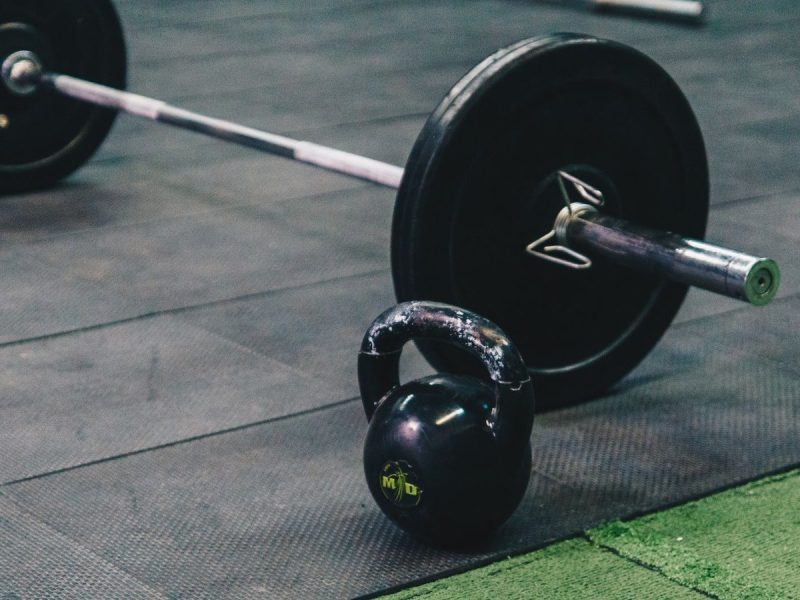


In the UK, CBD is sold as a food supplement, not as a medicine, and it is not medical cannabis. That fact explains much of the gap between the way “CBD for muscle recovery” is marketed and what can honestly be said. Below is what recovery means in a training context, what the FSA and the NHS say, and which product checks are worth running.
What people actually mean by muscle recovery
Recovery is not one thing, though the word is used as if it were. It covers the adaptation that follows a hard session, the return of normal function, and the decisions that make the next session possible. Coaches break it into the load itself, food and fluid, sleep, and the spacing between demanding days.
Post-exercise soreness is a separate experience. It usually arrives a day or two after unfamiliar or heavy work, it is common, and it is not a reliable measure of whether a session did anything useful. Treating soreness and recovery as one category is where much of the supplement confusion begins, which is why a load-focused guide such as this walkthrough of safe strength training for beginners is a better starting point than the shelves near the till.
Why CBD is searched alongside muscle soreness
CBD sits in a legal category that makes it easy to sell. It is a food supplement in the UK, not a prescribed medicine and not medical cannabis, so it can appear in shops and online without a prescription. That openness encouraged retailers to build categories around training language: format, strength, flavour, bundles. Those retail pages usually group products by type and strength rather than by evidence, which is the shape of a supplement category rather than a summary of what is known.
Category structure then shapes what people search for. Once a shop files items under “recovery”, that word becomes the vocabulary of the category, whether or not anything substantiates it. Search results place those pages beside genuine questions about soreness, and the confidence of the retail copy is easy to mistake for competence.
What evidence exists and why it stays limited
Recovery and soreness benefits are not established, and UK official sources put that more plainly than most retailers do.
The NHS medical cannabis page, checked on 2 September 2026, says that the evidence for long-term pain is not yet strong enough to recommend cannabis-based products for pain relief. It adds that products bought online may have unknown quality and content, and that legally sold CBD or hemp food supplements carry no guarantee of quality or health benefit.
Independent work points the same way. A UK university study, ranking on the UK search results for “cbd for pain”, concluded that the CBD products tested did not ease pain and may be harmful. A single study is not a verdict on an entire category, but it is a reasonable corrective to pages that treat benefit as settled.
Why the picture stays unclear is partly structural. Products vary in how much CBD they contain, other ingredients differ between brands, and study designs do not line up. Absence of evidence of benefit is not proof of harm, but it is not permission to claim benefit either.
Why pain-relief claims need caution
Soreness is the reason most people start searching, and where the wording has to be tightest. A claim that a supplement reduces soreness or supports recovery is a health claim. UK food supplements are not authorised to say they treat, prevent or relieve pain, so wording of that kind is a compliance problem rather than a matter of taste.
Category mixing causes a second confusion. Much of the mechanism talk on CBD pages is borrowed from medical cannabis research, a separate category with a different legal status and, in narrow circumstances, a prescription route. Buying a food supplement does not move you into that category, whatever the packaging implies. The format differences are spelled out in this comparison of CBD gummies and CBD oil for UK aches and recovery.
UK safety: food supplement status and FSA guidance
The regulatory position is short enough to read in the original. The FSA and GOV.UK cannabidiol guidance was published on 13 February 2020 and was current when checked on 2 September 2026. In October 2023 the FSA updated its precautionary advice, recommending that healthy adults limit CBD from food to 10 mg per day. That figure is a precautionary ceiling while the evidence is assessed, not a target to aim at.
The FSA also maintains a public list of CBD food products linked to novel food applications. Being on that list means a product is attached to a regulatory process: not medical approval, not a quality mark and not proof of any benefit.
Label checks: CBD amount, ingredients and transparency
If you look at products, the questions worth asking are about contents and accountability rather than outcomes, because contents are what you can check.
| Check | Why it matters | Where to look |
|---|---|---|
| CBD per container against CBD per serving | A total for the whole bottle can be read as a single serving | Nutrition and ingredient panel |
| Full ingredient and allergen list | Oils and gummies often carry carrier oils, sweeteners or flavourings | The pack itself, not the product photo |
| Batch analysis or third-party testing | Suggests what a batch contains and whether it matches the label | Manufacturer’s site, if published |
| Presence on the FSA public list | A step in the novel food process, not a health endorsement | FSA cannabidiol guidance and product list |
| Clear UK seller information | Traceability matters when quality and content are not guaranteed by law | Company details on the seller’s site |
Read together, those five points tell you what you can verify, and nothing more. There is more on interpreting pack numbers in this guide to how to read a CBD gummy label in the UK.
Medication interactions and vulnerable groups
FSA precautionary guidance is stricter for some people. Anyone under 18, anyone who is pregnant, breastfeeding or trying to conceive, anyone taking medication, and anyone managing a health condition should take professional advice and avoid CBD unless a clinician directs otherwise. Supplements can interact with prescription medicines, so a pharmacist or GP is the right person to ask before buying.
Anti-doping adds a second filter for anyone who competes. Rules are set by each sport’s governing body and by WADA, and they can differ by sport, country and product. Check the current rules, and the status of any specific product, directly with your governing body and with WADA. Retailer pages and forums are not a substitute, and this article states no status either way.
Bottom line for active adults
- CBD is a food supplement in the UK: not a medicine, not medical cannabis, and not an authorised treatment for pain or soreness.
- No established evidence supports recovery, soreness or performance claims for CBD, and the NHS still describes the evidence for cannabis-based products in long-term pain as not strong enough.
- Judge products on labelling, batch testing and traceability rather than promises.
- Keep the precautionary advice in view: healthy adults are advised to limit CBD from food to 10 mg per day.
- Put the unglamorous work first: load that rises gradually, easier days, sleep, food and fluid. Trunk work that supports lifting is covered in this guide to core exercises for back support.
- If you compete, confirm your own position with your governing body and WADA before using anything.
Medical disclaimer: This article is general information about products sold as food supplements in the UK. It is not medical advice and does not replace a conversation with a qualified professional. CBD is not a treatment for pain, injury or any health condition, and nothing here should be read as a recommendation to use it. People under 18, people who are pregnant, breastfeeding or trying to conceive, people taking medication, and anyone managing a health condition should take professional advice and, under FSA precautionary guidance, avoid CBD unless a clinician directs it.
Sport disclaimer: If you compete under anti-doping rules, check the current requirements of your sport’s governing body and of WADA directly before using any product. Rules, interpretations and formulations change. This article does not state whether any product is permitted in any sport.
Published by: Martin Wood — Writer covering health
Reviewed, corrected and approved by: Martin Wood — Editor-in-chief
Updated on October 1, 2026