

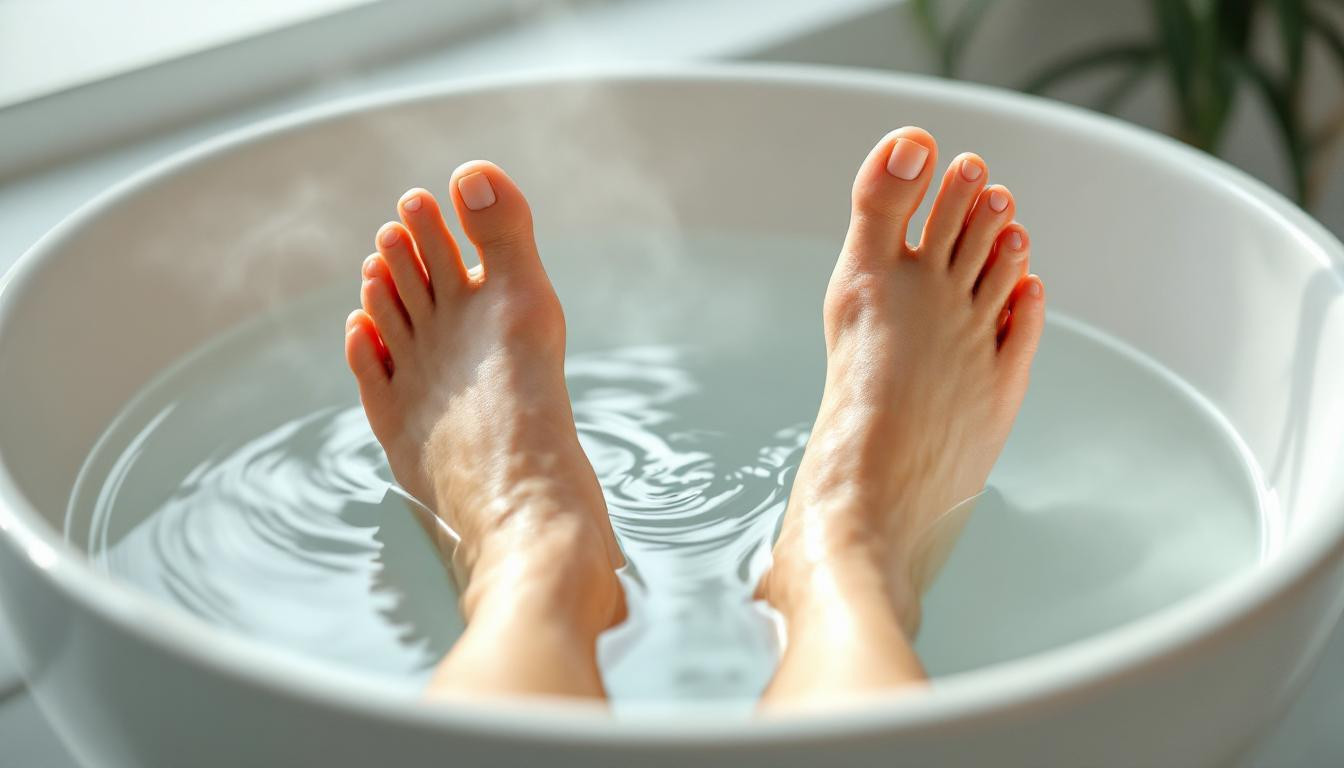
Let’s uncover the secrets of a simple pantry staple that’s revolutionizing how we fight stubborn foot fungal infections. Apple cider vinegar has emerged as a powerful natural remedy, offering hope to millions struggling with athlete’s foot and toenail fungus. This humble ingredient packs a scientifically-backed punch that could transform your foot care routine.
The science behind apple cider vinegar’s antifungal power
The magic lies in acetic acid, apple cider vinegar’s primary active component. Dr. Sarah Thompson, a leading podiatrist at Austin Foot Health Center, explains: “Acetic acid creates an acidic environment that’s hostile to fungal growth, essentially starving these organisms of the conditions they need to thrive.” This mechanism works like a biological security system, preventing fungi from establishing colonies on your feet.
Why fungal infections hate acidic environments
Fungal infections flourish in alkaline conditions, making your feet their perfect playground. Apple cider vinegar dramatically lowers skin pH, creating an inhospitable environment for these unwanted guests. Think of it as changing the climate of your feet from a tropical paradise to an arctic wasteland for fungi.
The proper way to rinse your feet
Creating the perfect antifungal foot soak requires precision. Mix equal parts apple cider vinegar and warm water in a basin large enough for both feet. Soak for 15-20 minutes daily, allowing the acidic solution to penetrate affected areas thoroughly.
- Use organic, unfiltered apple cider vinegar for maximum potency
- Never use undiluted vinegar to avoid skin irritation
- Dry feet completely after soaking to prevent moisture retention
- Clean the basin thoroughly between uses
Timeline for visible results
Improvement typically begins within 1-2 weeks of consistent use, though complete healing may require up to four weeks. Maria Rodriguez, a certified naturopath from Dallas, shares: “I’ve witnessed patients achieve remarkable results, with some experiencing significant relief within just ten days of regular apple cider vinegar foot soaks.”
Beyond fungal fighting: additional benefits
This natural remedy offers more than antifungal action. The antimicrobial properties help eliminate bacteria causing foot odor, while potentially improving circulation to infected areas. Like foods that boost body detoxification, apple cider vinegar supports your body’s natural healing processes.
Important safety considerations
While generally safe, apple cider vinegar requires careful use. People with diabetes or sensitive skin should consult healthcare providers before starting treatment. Always dilute properly and discontinue use if irritation occurs.
- Start with weaker concentrations if you have sensitive skin
- Monitor for any signs of skin irritation or burning
- Apply moisturizer after soaking to prevent dryness
Combining natural remedies for enhanced effectiveness
Apple cider vinegar works exceptionally well alongside other natural approaches. Similar to herbal remedies for digestive health, combining multiple natural solutions often yields superior results than single treatments alone.
When to seek professional help
While apple cider vinegar shows promising results, severe or persistent infections may require professional medical intervention. Dr. Thompson advises: “If symptoms worsen or don’t improve after four weeks of consistent treatment, it’s time to consult a podiatrist for stronger antifungal medications.”
The broader impact on wellness
Just as nutrition strategies for better sleep support overall health, addressing foot fungal infections contributes to your complete wellness picture. Healthy feet enable active lifestyles, preventing the cascade of health issues that accompany reduced mobility.
Ready to give your feet the natural care they deserve? Apple cider vinegar offers an accessible, evidence-based solution that could end your struggle with fungal infections. Remember, consistency is key – make this simple ritual part of your daily routine and watch as your feet transform from embarrassing to confident.
Published by: Martin Wood — Writer covering uncategorized
Reviewed, corrected and approved by: Martin Wood — Editor-in-chief
Updated on May 4, 2026