

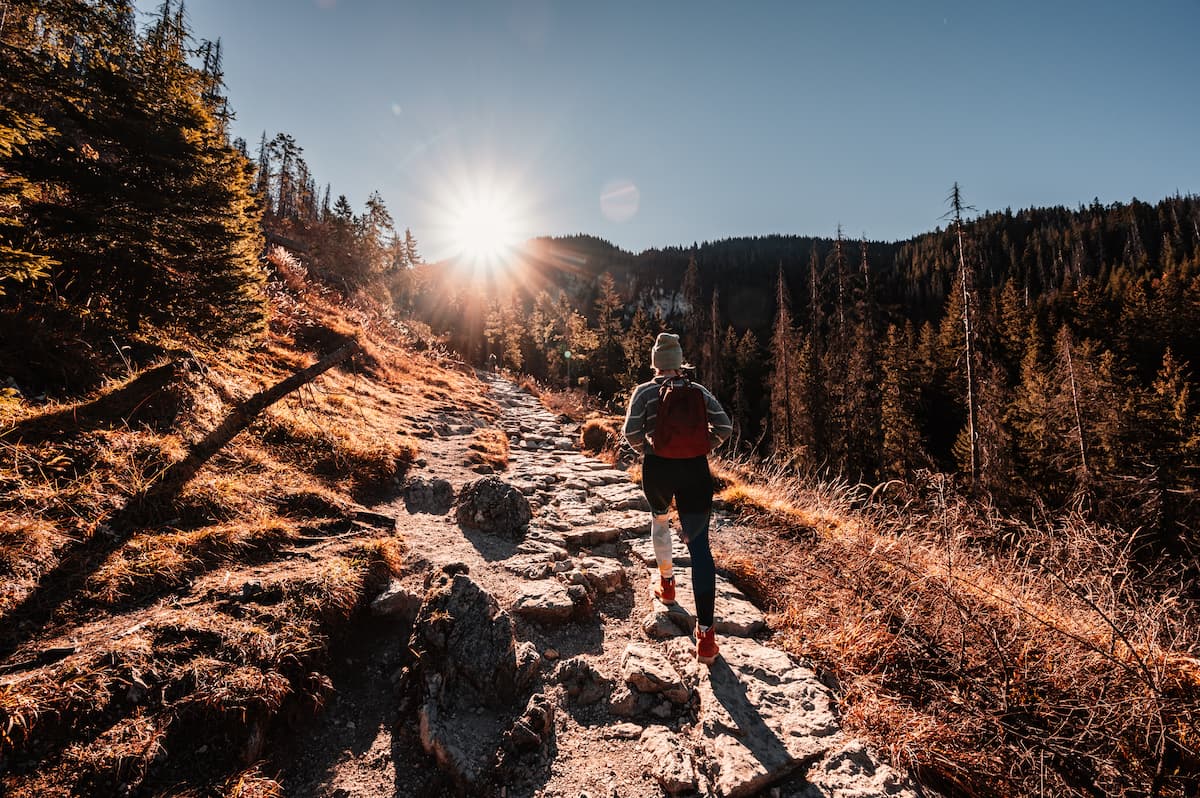
Most people take between 60 and 90 minutes to walk 6km. At a comfortable everyday pace of 5 km/h, a 6km walk takes about 1 hour and 12 minutes. Faster walkers can finish it in around 60–65 minutes, while an easy or recovery pace can take 80–120 minutes.
The exact time depends on your pace, terrain, fitness level, weather and whether you stop along the way. Use the table below as a quick answer, then adjust it to your real walking speed.
6km walking time by pace
| Walking speed | Type of pace | Time to walk 6km |
|---|---|---|
| 3 km/h | Very easy / mobility pace | 2 hours |
| 4 km/h | Relaxed walk | 1 hour 30 minutes |
| 4.5 km/h | Steady easy walk | 1 hour 20 minutes |
| 5 km/h | Average comfortable pace | 1 hour 12 minutes |
| 5.5 km/h | Brisk walk | About 1 hour 5 minutes |
| 6 km/h | Fast fitness walk | 1 hour |
The simple formula is:
Walking time = distance ÷ speed
6 km ÷ 5 km/h = 1.2 hours = 72 minutes
If you do not know your pace, time a 1km walk on flat ground. Multiply that time by six and you will have a more personal estimate than any generic calculator.
Is 6km a long walk?
For a healthy adult, 6km is a moderate walk rather than an extreme distance. It is long enough to feel like a real session, but still manageable for many people if the route is flat and the pace is sensible.
For beginners, older adults, people returning from injury or anyone with joint pain, 6km can be a significant effort. In that case, the smarter approach is to split the walk into sections, slow the pace, or build up from 3–4km first.
Walking can contribute to the weekly aerobic activity recommended by public health bodies, but it should not be treated as a medical treatment. If walking brings chest pain, unusual shortness of breath, dizziness or sharp joint pain, stop and seek medical advice.
How many steps is 6km?
A 6km walk is usually around 7,500 to 9,200 steps. The exact number depends on stride length:
| Average stride length | Approximate steps for 6km |
|---|---|
| 0.65 m | About 9,230 steps |
| 0.70 m | About 8,570 steps |
| 0.75 m | About 8,000 steps |
| 0.80 m | About 7,500 steps |
Shorter walkers often take more steps for the same distance. Taller walkers often need fewer. A watch or phone pedometer will give the best personal estimate.
How many calories does a 6km walk burn?
For most adults, walking 6km burns roughly 250 to 490 calories, depending mainly on body weight, pace, terrain and walking efficiency.
| Body weight | Easy/moderate pace | Brisk pace |
|---|---|---|
| 60 kg | About 250 kcal | About 325 kcal |
| 70 kg | About 290 kcal | About 380 kcal |
| 80 kg | About 330 kcal | About 430 kcal |
| 90 kg | About 375 kcal | About 490 kcal |
These are estimates, not lab measurements. Hills, wind, soft ground and carrying a backpack can increase energy cost. A very relaxed walk with many stops will burn less per minute than a continuous brisk walk.
If your goal is calorie management, see our related guide on how many calories are burned walking for 1 hour.
What pace should you choose for a 6km walk?
A good target for most people is a pace that feels sustainable and leaves you able to speak in short sentences. That usually lands around 4.5–5.5 km/h on flat ground.
- Beginner or recovery walk: aim for 4–4.5 km/h and take breaks if needed.
- General fitness: aim for 5 km/h and keep the effort steady.
- Brisk cardio walk: aim for 5.5–6 km/h if you can maintain form without overstriding.
- Hilly route: ignore average speed and manage effort instead.
Do not turn every 6km walk into a test. A steady walk you repeat three or four times per week is usually more useful than one hard session that leaves your feet, knees or hips irritated.
How to make a 6km walk easier
- Start slower than you think. The first 10 minutes should feel easy. You can increase pace after your breathing and legs settle.
- Use comfortable shoes. For 6km, small shoe problems can become blisters or hot spots.
- Pick a route with predictable terrain. Flat loops make pacing easier than mixed hills, sand or trails.
- Carry water if it is hot. A 60–90 minute walk in warm weather can feel much harder than the same route in cool weather.
- Keep your stride natural. Overstriding to go faster can irritate shins, knees or hips. Increase cadence before forcing longer steps.
- Progress gradually. If your usual walk is 2–3km, build toward 6km over several sessions.
6km compared with other common distances
A 6km walk is 1km longer than a 5k, so it usually adds 10–15 minutes for many walkers. If you are comparing distances, read our guide to how long a 5k takes.
For context, 6km is also about 3.73 miles. If you are used to miles rather than kilometers, think of it as a little under four miles.
Who should be cautious with a 6km walk?
Most people can build toward a 6km walk, but some situations deserve caution:
- recent injury, surgery or a flare-up of joint pain;
- new chest pain, dizziness, faintness or unexplained breathlessness;
- diabetes or heart conditions where exercise intensity needs medical guidance;
- very hot weather, dehydration risk or poor footwear.
If any of these apply, start shorter and check with a qualified health professional when needed. Walking is accessible, but distance still creates load on the feet, calves, knees, hips and lower back.
FAQ
How long does it take to walk 6km on average?
On average, it takes about 72 minutes to walk 6km at 5 km/h. A realistic range for most people is 60 to 90 minutes.
Can you walk 6km in one hour?
Yes, but you need to average 6 km/h, which is a fast walking pace for many people. It is possible on flat terrain if you are already comfortable walking briskly.
How many miles is 6km?
6km is about 3.73 miles.
How many steps are in a 6km walk?
Most people take about 7,500 to 9,200 steps to walk 6km, depending on stride length.
Is walking 6km a day good?
For many people, walking 6km a day can support general fitness, endurance and daily activity levels. The key is to progress gradually and keep the pace comfortable enough to repeat without pain.
Bottom line
A 6km walk usually takes 1 hour to 1 hour 30 minutes. The most practical estimate is about 1 hour 12 minutes at a normal 5 km/h pace. Expect roughly 7,500–9,200 steps and a calorie burn that varies widely with body weight and effort.
If you want to improve your walking speed over time, compare this with our guide to average human running speed and keep your faster sessions separate from easy recovery walks.
Sources and safety note: walking intensity and energy cost vary by person. For general activity guidance, see the CDC adult physical activity guidelines. This article is informational and does not replace medical advice.
Published by: Martin Wood — Writer covering cardio
Reviewed, corrected and approved by: Martin Wood — Editor-in-chief
Updated on September 29, 2026