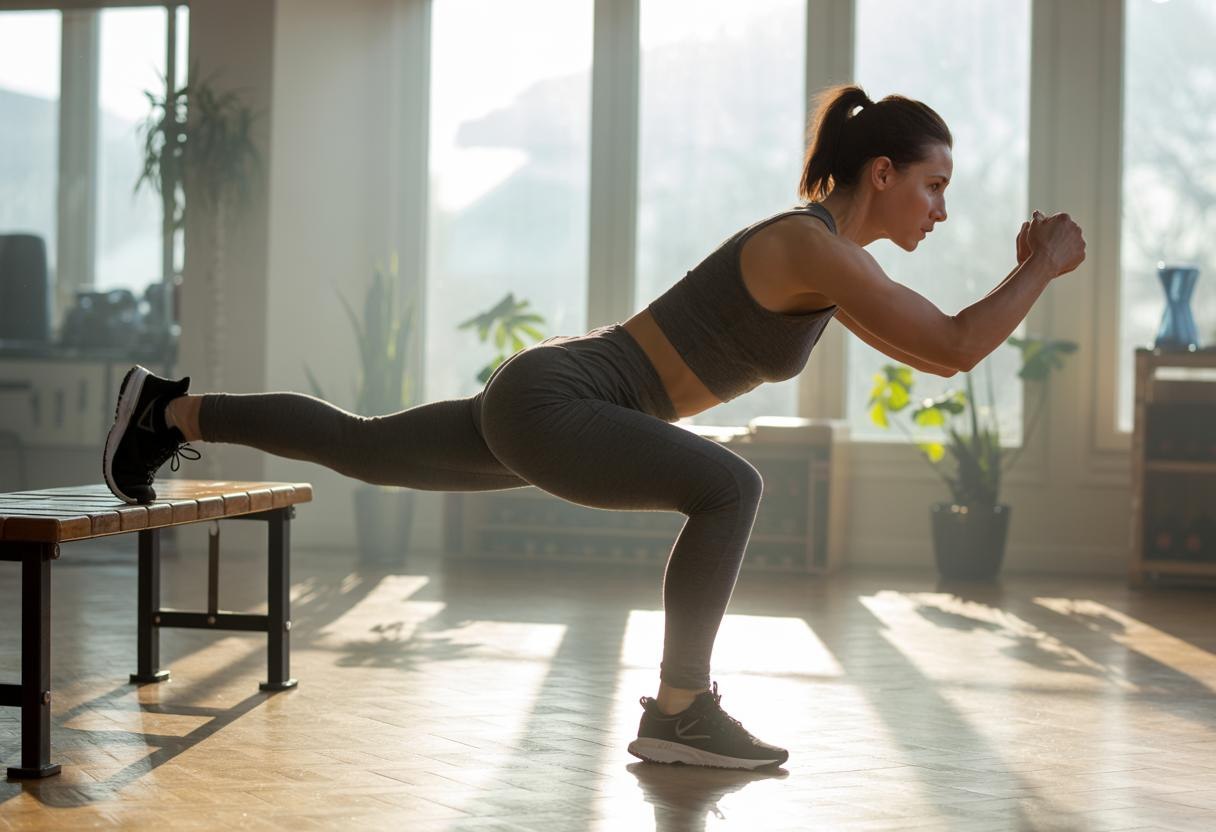


The quest for stronger and bigger glutes has become one of the most popular fitness goals for both men and women.
It’s not just about aesthetics; well-developed glute muscles contribute significantly to overall body strength, athletic performance, and even injury prevention.
So how do you know if your hard work in the gym is paying off? In this article, we explore the signs that indicate your glutes are growing, providing practical tips and examples to help identify these changes.
Physical appearance
The first and most obvious indicator of growing glutes is a change in physical appearance.
This section explores various visual and tactile signs that can indicate progress.
Visual changes
One of the easiest ways to notice changes in your glutes is through their visual appearance. Here are some key indicators:
- Increased roundness: As your glute muscles grow, you might notice a more rounded and fuller shape in your buttocks.
- Lifted appearance: Your glutes may start to appear more lifted and toned due to muscle hypertrophy.
- Enhanced symmetry: Balanced development of the gluteus maximus, medius, and minimus contributes to a well-proportioned lower body.
Changes in clothing fit
Your wardrobe can serve as an unexpected benchmark for tracking glute growth. Consider the following:
- Tighter jeans: If your jeans feel tighter around the buttocks area, it’s a good sign that your glutes are increasing in size.
- Shifting waistbands: A higher waistband on skirts or pants could indicate a lift in your glutes.
Before-and-after photos

Documenting your fitness journey through photos can provide concrete evidence of glute transformation.
Take consistent pictures from various angles, wearing similar clothes and under comparable lighting conditions, to track your progress effectively.
Performance improvements
While physical signs play a majeur role, equally telling are the improvements seen in athletic performance.
Enhanced strength and stamina directly correspond with muscle development.
Increased weights and reps
An essential sign that your glutes are growing is the ability to lift heavier weights during your workout routine. For exercises such as squats, deadlifts, and hip thrusts, gradually increasing the weight signifies strengthening muscles.
Additionally, performing more repetitions before fatigue sets in points to enhanced muscular endurance.
Better form and technique
Improved form and technique during workouts also indicate stronger glutes. Noticeable control and stability while executing exercises such as lunges, step-ups, and glute bridges reflect increased muscle activation and strength.
Faster recovery times
Experiencing reduced rest periods between intense workouts suggests that your muscles are adapting and recovering efficiently, a hallmark of effective muscle growth.
Practical markers
Apart from visual and performance signs, daily life often reveals subtle yet significant markers that your glutes are gaining strength and size.
Feeling firmer glutes
A good way to check for muscle growth is by touch. Gently press your glutes to feel for firmness and density. Growing muscles typically feel harder and more compact as they develop.
Experience in everyday activities
Improvements in daily activities are another reliable marker. Better stability and power when climbing stairs or lifting heavy objects without straining your back imply strong gluteal engagement.
Feedback from others
Sometimes we miss the forest for the trees. External feedback can be an excellent tool for noticing glute development.
Comments from trainers
If you’re working with a personal trainer or a fitness coach, their observations about your progress can be invaluable. They can assess functional improvements and aesthetic changes, offering expert validation of your efforts.
Compliments from peers
Friends and family members who haven’t seen you in a while might comment on your changing physique. These unbiased opinions often highlight noticeable changes you might overlook.
Glute-focused workout regimen
The results achieved heavily depend on the type of workout program and consistency. Here’s a closer look at routines designed to target and grow glutes effectively.
Strength training exercises
The foundation of glute growth lies in specific strength training exercises that activate all parts of the glute muscles. Some of these include:
- Squats: Particularly variations like front squats, goblet squats, and Bulgarian split squats.
- Deadlifts: Both conventional and Romanian deadlifts.
- Hip Thrusts: A powerful exercise focusing exclusively on the gluteus maximus.
- Lunges: Walking lunges, reverse lunges, and side lunges.
- Glute Bridges: Effective for targeting the entire glute complex.
Cardio workouts
Integrating cardio that engages the lower body can contribute to glute growth and overall fitness. Think of high-intensity interval training (HIIT), running (especially uphill), cycling, and stair-climbing exercises.
Nutritional support
Optimal nutrition plays a significant role in muscle growth, including the glutes. Ensuring a balanced diet supports recovery and promotes hypertrophy.
Protein intake
Protein is important for muscle repair and growth. Aim for protein-rich foods such as lean meats, eggs, legumes, and dairy products to meet your dietary needs.
Caloric surplus
To gain muscle mass, consuming slightly more calories than you burn provides the necessary energy for growth. However, balance is key to avoid excess fat gain.
Hydration and supplements
Staying hydrated aids muscle function and recovery. Supplements such as whey protein, creatine, and branched-chain amino acids (BCAAs) can further enhance muscle-building efforts.
Published by: Martin Wood — Writer covering exercices
Reviewed, corrected and approved by: Martin Wood — Editor-in-chief
Updated on September 29, 2026