

The biceps femoris, one of the majeur muscles in the hamstring group, plays a significant role in various physical activities and sports.
Strengthening this muscle can enhance performance, improve mobility, and reduce the risk of injury.
This article explores an array of exercises specifically designed to target the biceps femoris, offering a detailed overview to help integrate these techniques into your fitness routine effectively.
Understanding the biceps femoris: structure and function
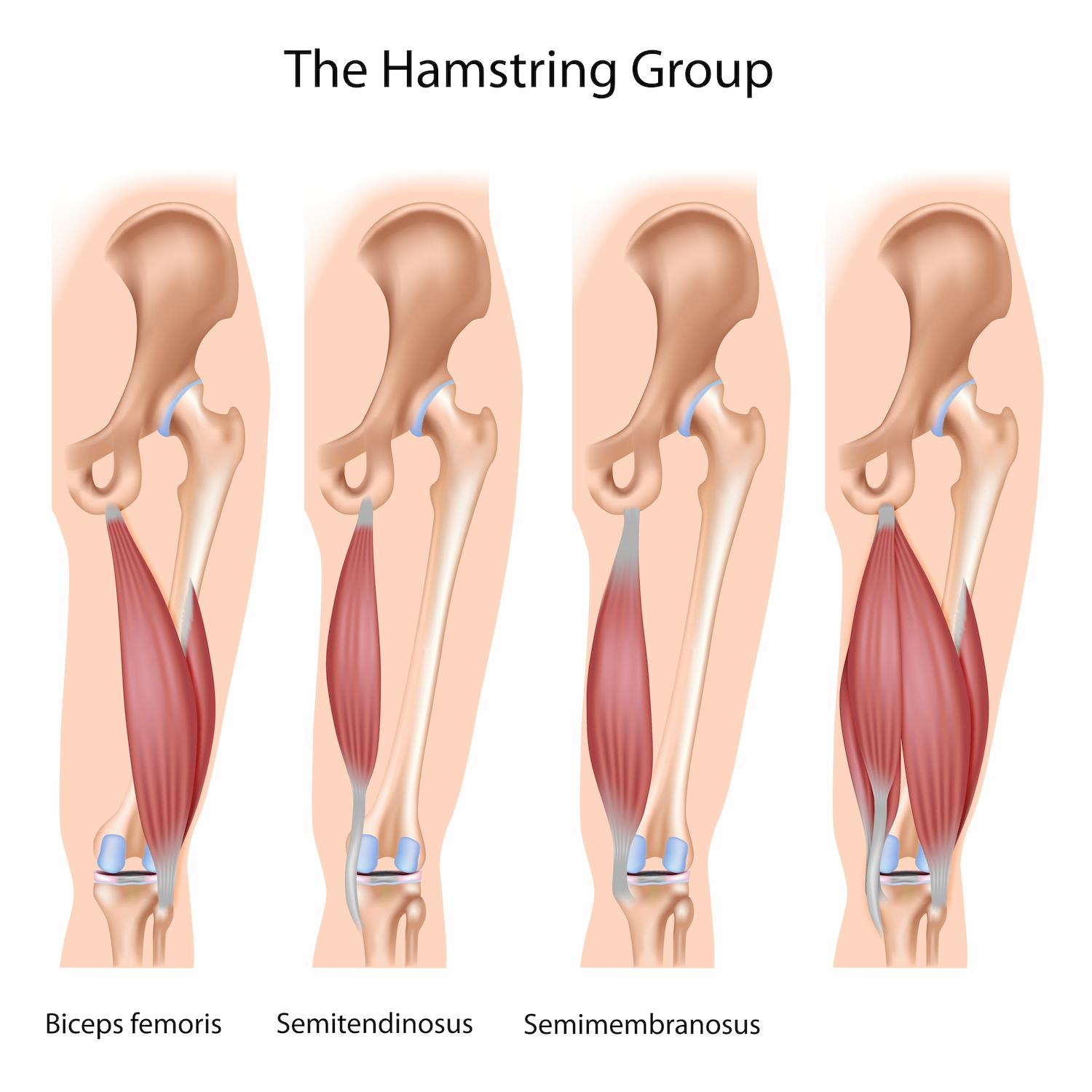
The biceps femoris is composed of two parts – the long head and the short head. Both heads work synergistically to perform knee flexion and hip extension.
The long head also assists with outward (external) rotation of the lower leg when the knee is bent.
Given its pivotal role, targeting this muscle through specific exercises can be particularly beneficial for athletes involved in running, cycling, and agility-based sports.
Key exercises for enhancing biceps femoris strength
Focusing on exercises that enhance the strength and flexibility of the biceps femoris not only boosts overall leg strength but also contributes to a balanced muscular system. Here are several effective exercises that emphasize this important muscle:
- Deadlift: A classic exercise that significantly impacts the biceps femoris. Ensure proper form by keeping your back straight and lifting with your legs rather than your back.
- Leg curl: Can be performed using a machine or with resistance bands. It specifically targets knee flexion which directly engages the biceps femoris.
- Bulgarian split squat: By placing the rear foot on a bench and squatting down with the opposite leg, you can deeply engage the biceps femoris during the downward and upward movements.
Bridging for better engagement
Among the foundational exercises, the bridge is exceptionally beneficial for the hamstrings, especially the biceps femoris. This exercise involves lying on your back with knees bent and feet flat on the ground.
Elevating your hips towards the ceiling creates tension in both the glutes and hamstrings, providing a dual benefit.
- Standard Bridge: Excellent for beginners, focusing on core stability and hamstring engagement.
- Single-leg Bridge: This variation increases the intensity by isolating the effort on one leg, thereby applying more stress on the biceps femoris.
Incorporating the use of tools for advanced activation
To further intensify the training and add variety, integrating tools such as dowels or stability balls can facilitate better results:
- Stability Ball Hamstring Curl: Lying on your back, place your feet on top of the ball, lifting your hips and pulling the ball towards your body using your feet.
- Dowel-Assisted Single Leg Deadlift: This tool helps maintain balance and posture while the activity focuses intensely on the biceps femoris during the hinge movement.
Tapping into dynamic moves: squats and lunges
Squats and lunges are potent exercises that incorporate multiple muscle groups, including the biceps femoris. Incorporating variations of these exercises can help maximize muscle engagement and functional strength development.
- Goblet Squat: Holding a weight close to your chest while squatting helps maintain proper posture and increases the load on the lower body, including the hamstrings.
- Walking Lunges: These not only target the quads and glutes but also involve the hamstrings dynamically as you step forward and drop into the lunge position.
Each of these exercises can be adjusted in terms of weight, repetition, and intensity to match individual fitness levels and goals. Moreover, gradually increasing these factors will prevent plateaus and ensure continual progress in strengthening the biceps femoris.
Prioritizing safety during hamstring workouts
While engaging in rigorous exercises that focus on the biceps femoris, it is central to observe proper technique to avoid injury. Misalignment or improper weight loading can lead to strain or pulls within the hamstring group, particularly in the biceps femoris.
- Maintain a warm-up routine to prepare the muscles and joints.
- Focus on alignment and execute movements slowly before trying more advanced modifications or weights.
- Avoid bouncing or jerky movements, especially during stretches and exercises like the leg curl or deadlift.
By incorporating these exercises into your routine, carefully monitoring your form, and progressively increasing the challenge, you can significantly strengthen your biceps femoris muscle.
This strength build-up enhances not just your sporting performances but also everyday activities that require leg movement and stability.
Published by: Martin Wood — Writer covering exercices
Reviewed, corrected and approved by: Martin Wood — Editor-in-chief
Updated on May 4, 2026