

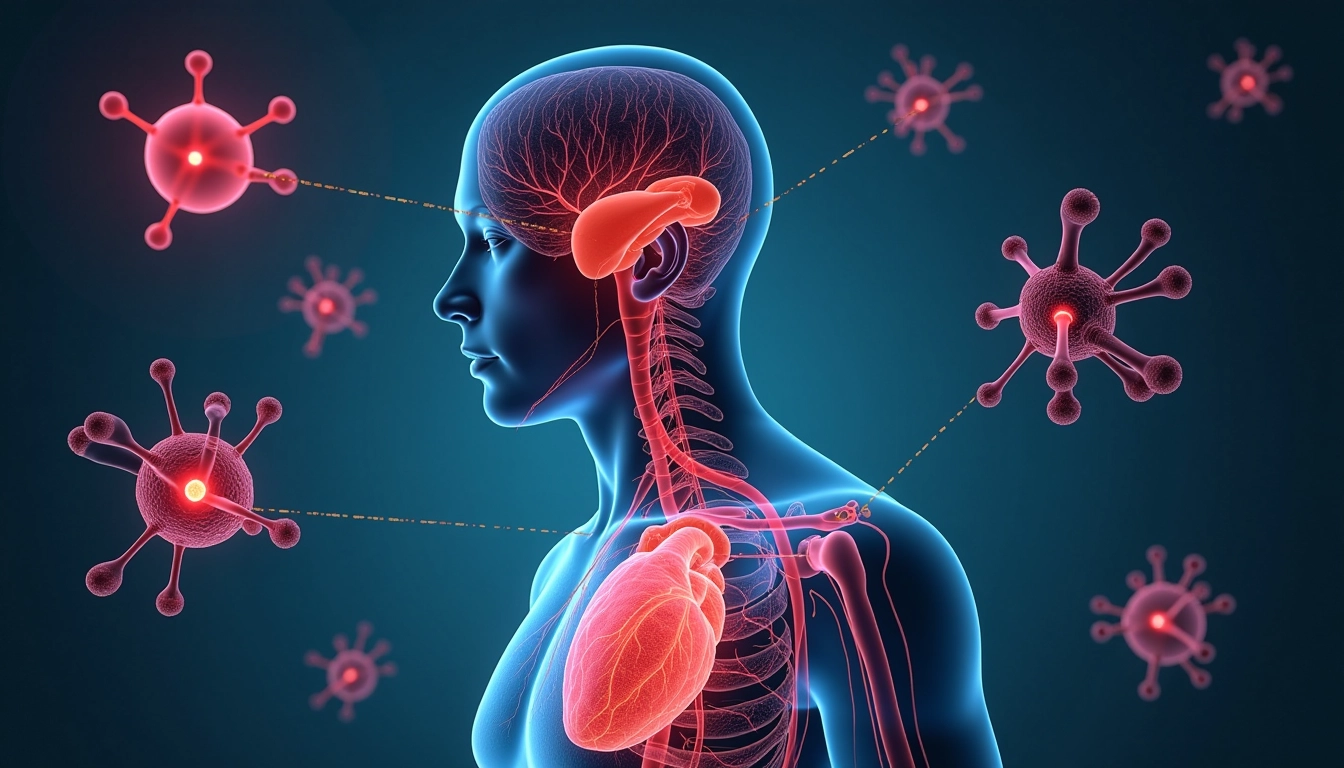
Imagine your body as a finely tuned orchestra, with stress hormones as the unexpected guest conductors. When they take the stage, they can transform the melody of your health in ways both subtle and profound. Let’s embark on a journey through the intricate world of stress hormones and uncover how these powerful chemical messengers shape our physical and mental well-being. From the surge of adrenaline that quickens your heartbeat to the slow burn of cortisol reshaping your body’s priorities, understanding these hormones is key to mastering your body’s response to life’s challenges.
The Stress Hormone Symphony: Meet the Key Players
At the heart of our body’s stress response lie two primary hormones: adrenaline and cortisol. Dr. Emily Chen, an endocrinologist at Austin Wellness Institute, explains, “Adrenaline and cortisol work in tandem, like a rapid response team and a long-term strategist. Adrenaline jumpstarts your body’s immediate reaction, while cortisol helps sustain the response over time.” Understanding their roles is central for grasping how stress hormones impact our health.
Adrenaline: The Sprint in Your Step
Adrenaline, also known as epinephrine, is your body’s instant energy booster. When stress strikes, adrenaline surges through your system, triggering a cascade of physiological changes:
- Increased heart rate and blood pressure
- Rapid breathing
- Sharpened focus and alertness
- Enhanced physical strength and performance
This hormone prepares you for immediate action, much like a sprinter poised at the starting block. It’s the force behind the proverbial “fight or flight” response, enabling you to face challenges head-on or make a swift retreat when necessary.
Cortisol: The Marathon Runner of Stress Hormones
While adrenaline provides the initial burst, cortisol is in it for the long haul. This hormone, often dubbed the “stress hormone,” plays a more complex role in your body’s stress response. Dr. Marcus Levin, a neurobiologist at Texas Health Sciences Center, notes, “Cortisol is like a double-edged sword. In the short term, it helps us adapt to stressors, but chronic elevation can lead to a host of health issues.”
Cortisol’s effects on the body include:
- Regulation of blood sugar levels
- Modulation of immune system responses
- Influence on memory formation and recall
- Alteration of metabolism and fat storage
The Dark Side of Chronic Stress: When Hormones Run Amok
While stress hormones are majeur for survival, chronic stress and its implications can turn these life-saving chemicals into silent saboteurs of health. Imagine your body as a car with the accelerator constantly pressed – eventually, wear and tear will take their toll. Prolonged exposure to high levels of stress hormones can lead to:
Cardiovascular issues: Persistent elevation of blood pressure and heart rate can strain your heart and blood vessels, increasing the risk of heart disease. It’s as if your cardiovascular system is running a never-ending marathon without proper rest and recovery.
Metabolic disruptions: Chronic stress can throw your metabolism off balance, potentially leading to weight gain, especially around the midsection. This visceral fat accumulation is not just a cosmetic concern; it’s metabolically active and can contribute to inflammation and insulin resistance.
Immune system suppression: While short-term stress can boost immunity, chronic stress does the opposite. It’s like leaving your body’s defense forces understaffed and overworked, making you more susceptible to infections and slowing wound healing.
The Mind-Body Connection: Stress Hormones and Mental Health
The impact of stress hormones extends beyond physical health, profoundly affecting our mental and emotional well-being. Dr. Samantha Rodriguez, a psychiatrist specializing in stress-related disorders, shares, “The constant presence of stress hormones can rewire our brain’s circuitry, affecting mood, cognition, and behavior.”
Chronic stress has been linked to:
- Increased risk of anxiety and depression
- Impaired memory and concentration
- Sleep disturbances
- Heightened emotional reactivity
These mental health effects create a vicious cycle, as psychological stress can further elevate stress hormone levels, perpetuating the problem.
Breaking the Cycle: Strategies to Manage Stress Hormones
The good news is that we’re not helpless against the tide of stress hormones. By adopting certain lifestyle habits and mindset shifts, we can significantly influence our body’s stress response. Here are some effective strategies for managing stress through lifestyle habits:
Regular exercise: Physical activity is like a natural stress hormone regulator. It can lower cortisol levels and boost endorphins, the body’s feel-good chemicals. Aim for at least 150 minutes of moderate-intensity exercise per week.
Mindfulness and meditation: These practices can act as a ‘pause button’ for your stress response. Even a few minutes of daily meditation can help reduce cortisol levels and improve emotional regulation.
Quality sleep: Sleep is your body’s reset button. Prioritize getting 7-9 hours of quality sleep each night to help regulate stress hormone production and support overall health.
Balanced nutrition: A diet rich in whole foods, particularly those high in omega-3 fatty acids and antioxidants, can help combat the effects of stress on your body. Think of it as providing your body with the right fuel to withstand stress.
The Power of Connection: Social Support and Stress Reduction
Human connection is a powerful antidote to stress. Engaging in meaningful relationships and building a strong support network can significantly lower stress hormone levels. Dr. Rodriguez emphasizes, “Social support acts as a buffer against stress, helping to modulate our physiological responses to stressors.”
Consider these ways to harness the power of social connection:
- Regular check-ins with friends and family
- Joining community groups or clubs
- Volunteering for a cause you care about
- Seeking professional support when needed
Harnessing the Positive: The Upside of Stress Hormones
While we’ve focused on the challenges of chronic stress, it’s important to recognize that stress hormones, when properly managed, can actually enhance our performance and resilience. Short bursts of stress can improve memory, boost immune function, and even enhance motivation and focus.
The key is learning to channel stress productively. As Dr. Chen puts it, “Think of stress hormones as a wave. You can either let it crash over you or learn to surf it. With the right mindset and tools, you can use the energy of stress to propel you forward.”
A New Perspective on Stress and Health
As we’ve journeyed through the complex world of stress hormones, we’ve seen their power to shape our health for better or worse. The question isn’t how to eliminate stress – that’s neither possible nor desirable – but rather, how can we work with our body’s stress response to create a healthier, more balanced life?
By understanding the mechanisms of stress hormones, implementing strategies to manage their effects, and fostering resilience through lifestyle choices and social connections, we can transform our relationship with stress. Remember, your body’s stress response is an ancient, powerful tool for survival and growth. With awareness and practice, you can learn to conduct your own stress hormone symphony, creating a harmonious balance that supports your overall health and well-being.
How will you choose to dance with your stress hormones today? By taking small, consistent steps towards better stress management, you’re not just improving your health – you’re reclaiming your power over your body’s responses and paving the way for a more vibrant, resilient you.
Published by: Martin Wood — Writer covering health
Reviewed, corrected and approved by: Martin Wood — Editor-in-chief
Updated on May 4, 2026