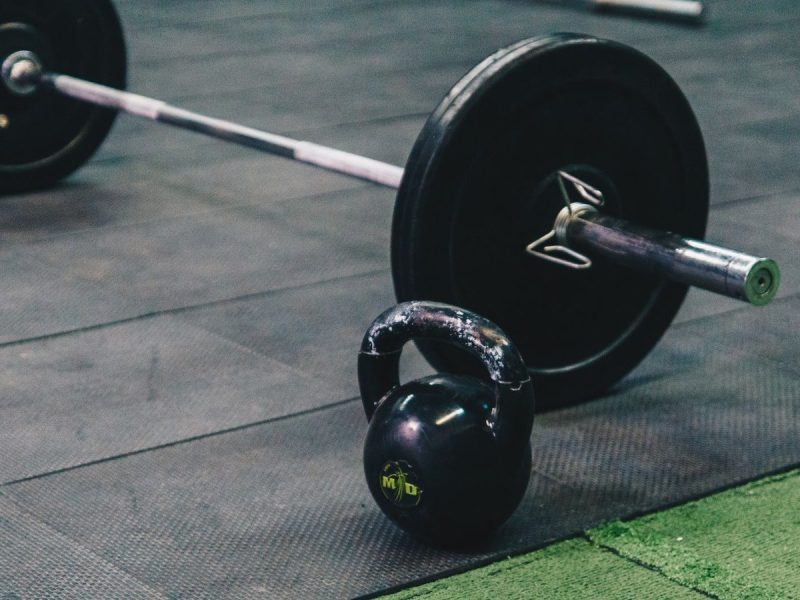

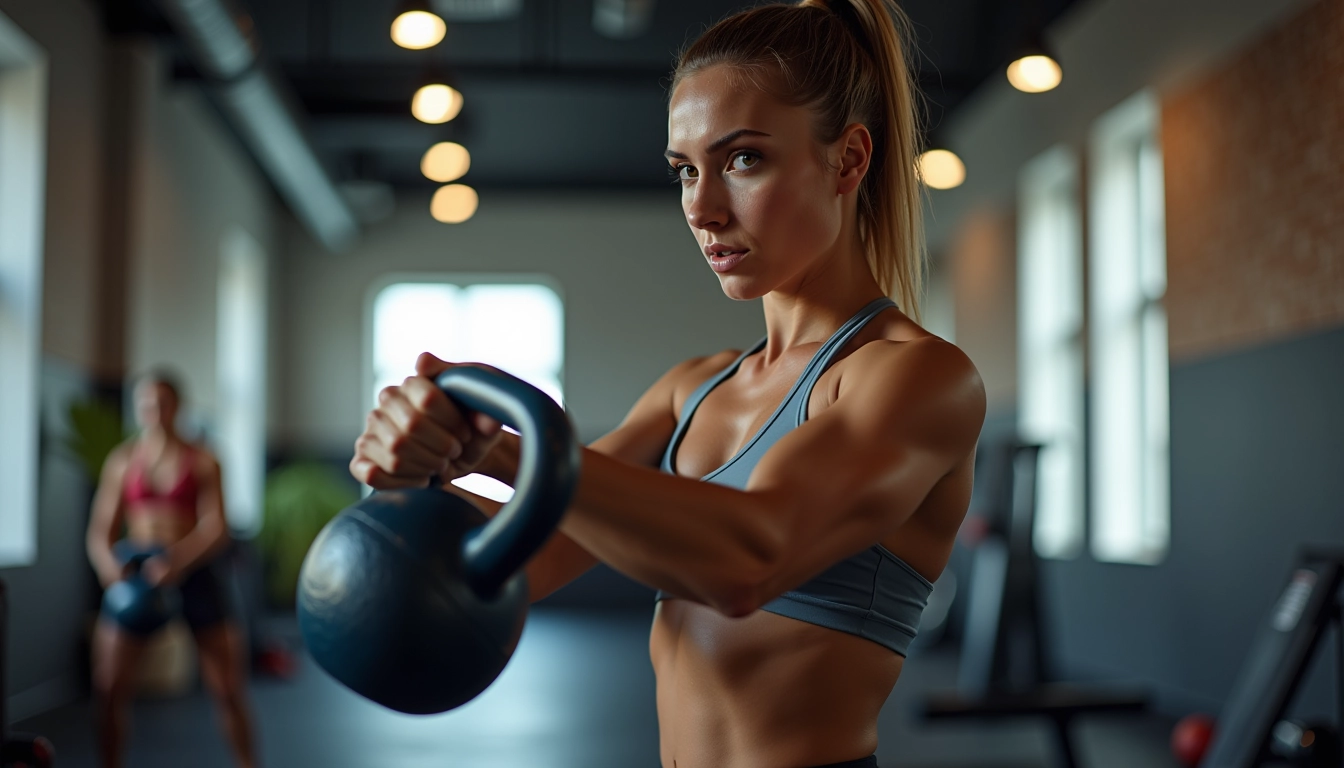
Ready to revolutionize your fitness routine? Let’s dive into the dynamic world of kettlebell training, a powerhouse method that’s transforming how we approach total body fitness. Imagine holding a cannonball with a handle – that’s your kettlebell, and it’s about to become your new best friend in the gym. Whether you’re a fitness novice or a seasoned athlete, kettlebells offer a unique blend of strength, cardio, and flexibility training that can take your workouts to the next level.
The Kettlebell Renaissance: Why This Ancient Tool is Making a Modern Comeback
Kettlebells aren’t just another fitness fad; they’re a time-tested tool with a rich history. Dating back to 18th century Russia, these cast-iron weights have stood the test of time. Today, they’re experiencing a renaissance in gyms across the globe. As Dr. Sarah Thompson, a sports medicine specialist at Austin Fitness Center, puts it,
“Kettlebells are like the Swiss Army knife of fitness equipment. They’re versatile, efficient, and can provide a full-body workout in a fraction of the time compared to traditional methods.”
Choosing Your Perfect Kettlebell: Size Matters
Before you start swinging, it’s central to select the right kettlebell weight. For beginners, the general rule of thumb is:
- Women: Start with an 8kg (18 lbs) kettlebell
- Men: Begin with a 16kg (35 lbs) kettlebell
Remember, it’s always better to start lighter and perfect your form before progressing to heavier weights. As you gain strength and confidence, you can gradually increase the weight to challenge yourself further.
The Foundation: Mastering the Kettlebell Swing
The kettlebell swing is the cornerstone of kettlebell training, engaging multiple muscle groups simultaneously. It’s a hip-hinge movement that targets your posterior chain – the muscles along the back of your body. Here’s how to perform it correctly:
- Stand with feet shoulder-width apart, kettlebell between your feet
- Hinge at the hips, keeping your back straight
- Grab the kettlebell and swing it back between your legs
- Thrust your hips forward, swinging the kettlebell up to chest height
- Control the descent and repeat
Master this move, and you’ll have a solid foundation for more advanced kettlebell exercises.
Goblet Squats: The Lower Body Powerhouse
Goblet squats are a fantastic exercise for building lower body strength and improving mobility. They’re particularly effective for targeting your quads, hamstrings, and glutes. To perform a goblet squat:
1. Hold the kettlebell close to your chest with both hands
2. Stand with feet slightly wider than hip-width
3. Lower your body as if sitting back into a chair
4. Keep your chest up and core engaged
5. Push through your heels to return to standing
For a deeper dive into the benefits and proper form of goblet squats, check out our comprehensive guide on the benefits of goblet squats.
Rowing Your Way to a Stronger Back: The Three-Point Row
The three-point row is an excellent exercise for building back strength and improving posture. Here’s how to do it:
1. Place your right hand and right knee on a bench
2. Hold the kettlebell in your left hand, arm fully extended
3. Row the kettlebell up towards your hip, keeping your elbow close to your body
4. Lower the kettlebell back down with control
5. Repeat for desired reps, then switch sides
This exercise mimics the motion of starting a lawnmower, making it both functional and effective for real-world strength.
The Total Body Blitz: Hang Clean and Push Press
For a true full-body challenge, the hang clean and push press is unbeatable. This compound movement engages virtually every muscle group in your body. Here’s the breakdown:
1. Start with the kettlebell between your feet
2. Hinge at the hips and grab the kettlebell
3. Explosively stand up, pulling the kettlebell to your shoulder
4. Dip slightly at the knees
5. Push press the kettlebell overhead
6. Lower the kettlebell back to the starting position
Fitness expert Mike Johnson notes,
“The hang clean and push press is like a full-body symphony. Every muscle plays its part, resulting in a harmonious blend of strength and power.”
Crafting Your Kettlebell Workout: Sample Routines
Now that you’re familiar with some key exercises, let’s put them together into effective workouts. Here are two sample routines to get you started:
30-Minute Full Body Blast:
Perform each exercise for 1 minute, rest for 30 seconds, then move to the next. Complete the circuit 3 times.
- Kettlebell swings
- Goblet squats
- Three-point rows (alternate sides each round)
- Hang clean and push press
- Russian twists
15-Minute HIIT Workout:
Perform each exercise for 30 seconds, followed by 15 seconds of rest. Complete the circuit 3 times.
- Kettlebell swings
- Alternating lunges with kettlebell
- Single-arm kettlebell rows
- Kettlebell push-ups (hands on the kettlebell)
For more beginner-friendly routines, explore our guide on kettlebell workouts for beginners.
Safety First: Mastering Proper Form
While kettlebells are incredibly effective, using them safely is paramount. Poor form can lead to injury and diminish the benefits of your workout. Here are some key points to remember:
- Keep your core engaged throughout all movements
- Maintain a neutral spine, avoiding rounding or arching
- Use your hips and legs to generate power, not your arms
- Start with lighter weights to perfect your form before progressing
For a deep dive into proper techniques, check out our article on essential techniques for kettlebell exercises.
The Kettlebell Advantage: Why It’s More Than Just Weight Training
Kettlebell training offers unique benefits that set it apart from traditional weightlifting:
1. Functional Strength: Kettlebell exercises mimic real-life movements, improving your ability to perform daily tasks with ease.
2. Cardiovascular Health: The dynamic nature of kettlebell workouts provides an excellent cardio boost, improving heart health and endurance.
3. Time Efficiency: With kettlebells, you can get a full-body workout in just 20-30 minutes, making it perfect for busy schedules.
4. Improved Balance and Coordination: The offset weight of kettlebells challenges your stabilizer muscles, enhancing overall balance and body awareness.
Are You Ready to Swing Into Action?
Embarking on your kettlebell journey is like setting sail on a fitness adventure. Each swing, squat, and press brings you closer to your health and fitness goals. Remember, like any new skill, mastery takes time and practice. Be patient with yourself, focus on form, and enjoy the process of becoming stronger, fitter, and more energized. As you integrate kettlebells into your fitness routine, you’ll discover a newfound strength and vitality that extends far beyond the gym. So, are you ready to grab that kettlebell and transform your fitness journey? Your body – and your future self – will thank you for taking this powerful step towards total body fitness.
Published by: Martin Wood — Writer covering health
Reviewed, corrected and approved by: Martin Wood — Editor-in-chief
Updated on May 4, 2026