

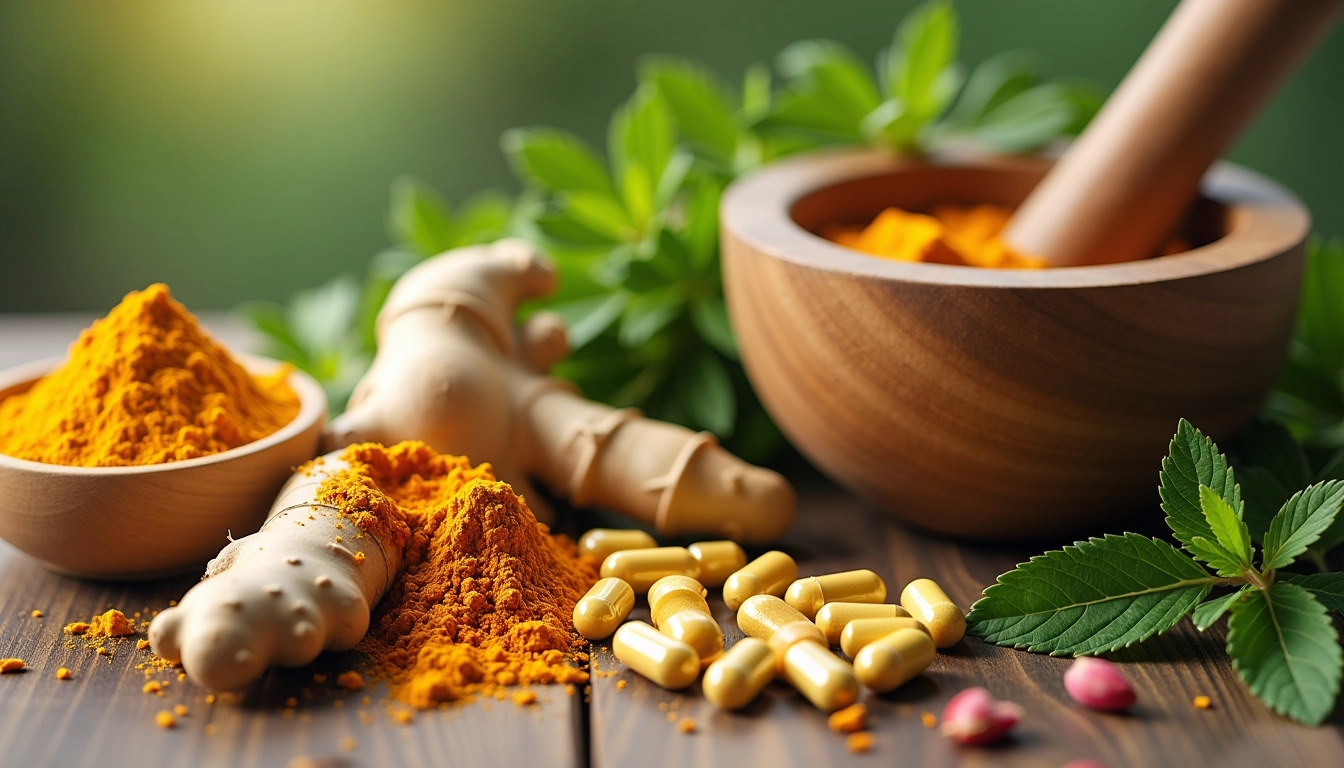
Aching joints got you down? You’re not alone. Millions of people worldwide grapple with joint pain daily, seeking relief from the discomfort that can limit their mobility and zest for life. But what if the solution to easing your joint pain was closer than you think? Let’s embark on a journey through nature’s pharmacy and explore the powerful, time-tested remedies that could be the key to unlocking a life with less pain and more movement. From ancient herbs to modern wellness practices, we’re about to uncover the secrets of natural joint pain relief that might just change your life.
The Herbal Heroes: Nature’s Anti-Inflammatory Allies
When it comes to battling joint pain naturally, certain herbs stand out as true champions. Turmeric, with its active compound curcumin, tops the list. “Turmeric is a powerhouse of anti-inflammatory properties,” says Dr. Emily Chen, a rheumatologist at Austin Wellness Center. “I’ve seen patients experience significant relief by incorporating 500-1000mg of curcumin daily into their routine.”
But turmeric isn’t the only spice in the cabinet with joint-soothing powers. Ginger: Rich in anti-inflammatory compounds, useful for osteoarthritis and RA. This fiery root not only adds zing to your dishes but can also help reduce joint pain and stiffness. Studies have shown that ginger can alter gene expression and potentially reduce symptoms of rheumatoid arthritis.
Another herbal superstar is Boswellia (Frankincense): Improves pain, function, and stiffness in osteoarthritis. This ancient resin has been used for centuries and modern research backs up its effectiveness. “In my clinical experience, about 60-70% of patients using Boswellia report significant improvements in their symptoms,” notes Dr. Chen.
The Power of Movement: Gentle Exercises for Joint Health
While it might seem counterintuitive, movement is medicine when it comes to joint pain. Low-impact exercises can work wonders in maintaining joint flexibility and reducing pain. Think of your joints as rusty hinges – the more you move them, the smoother they become. Here are some gentle exercises to consider:
- Swimming or water aerobics
- Tai Chi or gentle yoga
- Walking on soft surfaces
- Stationary cycling
“I often tell my patients that movement is like WD-40 for your joints,” jokes Dr. Mark Thompson, a physical therapist specializing in joint health. “A little bit every day can keep the creaks and groans away.”
The Healing Touch: Massage and Acupuncture for Pain Relief
Sometimes, the power of touch can be transformative in managing joint pain. Massage therapy isn’t just a luxury; it’s a powerful tool for pain management. Regular massages can help reduce inflammation, improve circulation, and ease muscle tension around painful joints.
Similarly, acupuncture: Safe technique using needles to relieve pain. This ancient practice has gained recognition in Western medicine for its efficacy in pain management. “Acupuncture can be particularly beneficial for those with knee osteoarthritis,” explains licensed acupuncturist Sarah Lee. “Many of my patients report significant pain reduction and improved mobility after just a few sessions.”
Nature’s Pharmacy: Supplements That Support Joint Health
While a balanced diet is essentiel, certain supplements can provide an extra boost for joint health. Here are some top contenders:
- Glucosamine and Chondroitin: These compounds are building blocks of cartilage.
- Omega-3 Fatty Acids: Found in fish oil, these can help reduce inflammation.
- Vitamin D: Essential for bone health and immune function.
- Collagen: May help improve joint comfort and flexibility.
Remember, it’s essential to consult with a healthcare provider before starting any new supplement regimen, as they can interact with medications or have side effects.
The Cool and Hot Debate: Temperature Therapies for Joint Pain
When it comes to joint pain relief, sometimes it’s all about temperature. Cold therapy can help reduce inflammation and numb pain, while heat therapy can relax muscles and increase blood flow. But which one should you use?
“I like to think of it as putting out a fire versus warming up an engine,” explains Dr. Thompson. “Use ice for acute pain and swelling, like after a flare-up or injury. Use heat for chronic pain and stiffness, especially before activity to loosen things up.”
Mind Over Matter: The Role of Stress Management in Joint Health
Believe it or not, your mental state can significantly impact your joint pain. Stress can exacerbate inflammation and tension in the body, potentially worsening joint discomfort. Incorporating stress-reduction techniques into your daily routine can be a game-changer:
“Mindfulness meditation has shown remarkable results in pain management. It’s like giving your nervous system a reset button,” says Dr. Lisa Nguyen, a pain management specialist. “Just 10 minutes a day can make a noticeable difference in how patients perceive and cope with their joint pain.”
Consider trying techniques like deep breathing exercises, progressive muscle relaxation, or guided imagery to help manage stress and potentially reduce joint pain.
The Gut-Joint Connection: Dietary Changes for Pain Relief
What you put on your plate can have a profound impact on your joints. An anti-inflammatory diet rich in fruits, vegetables, whole grains, and omega-3 fatty acids can help reduce inflammation throughout the body, including in your joints.
Some foods to include in your joint-friendly diet:
- Fatty fish like salmon and sardines
- Colorful berries and leafy greens
- Nuts and seeds
- Extra virgin olive oil
On the flip side, reducing your intake of processed foods, refined sugars, and excessive red meat can help lower inflammation levels. “Think of your diet as either fueling the fire of inflammation or dousing it,” advises nutritionist Maria Gonzalez. “Every meal is an opportunity to support your joint health.”
Sleep: The Unsung Hero of Joint Pain Management
Never underestimate the power of a good night’s sleep when it comes to managing joint pain. Quality sleep is essentiel for repair and regeneration throughout the body, including in your joints. Poor sleep can increase pain sensitivity and inflammation, creating a vicious cycle of discomfort and sleeplessness.
To improve your sleep quality and potentially reduce joint pain:
- Maintain a consistent sleep schedule
- Create a relaxing bedtime routine
- Ensure your bedroom is cool, dark, and quiet
- Invest in a supportive mattress and pillows
“I often tell my patients that their bedroom should be a sanctuary for healing,” says sleep specialist Dr. James Wong. “Prioritizing sleep is one of the most powerful, yet often overlooked, strategies for managing joint pain.”
Embracing a Holistic Approach to Joint Health
As we’ve journeyed through these natural remedies for joint pain, one thing becomes clear: there’s no one-size-fits-all solution. The key lies in embracing a holistic approach, combining various strategies to create a comprehensive plan tailored to your needs. From the herbs in your kitchen to the thoughts in your mind, every aspect of your life can contribute to better joint health.
Remember, the path to pain relief is often a journey of discovery. What works best for you may be a unique combination of these natural approaches. Be patient with your body, listen to its needs, and don’t hesitate to seek guidance from healthcare professionals along the way.
So, are you ready to take the first step towards a life with less joint pain? Which of these natural remedies resonates most with you? Your journey to better joint health starts now, with each small change adding up to potentially significant relief. Embrace the power of nature, the wisdom of your body, and the support of modern science – your joints will thank you for it.
Published by: Martin Wood — Writer covering health
Reviewed, corrected and approved by: Martin Wood — Editor-in-chief
Updated on September 29, 2026