
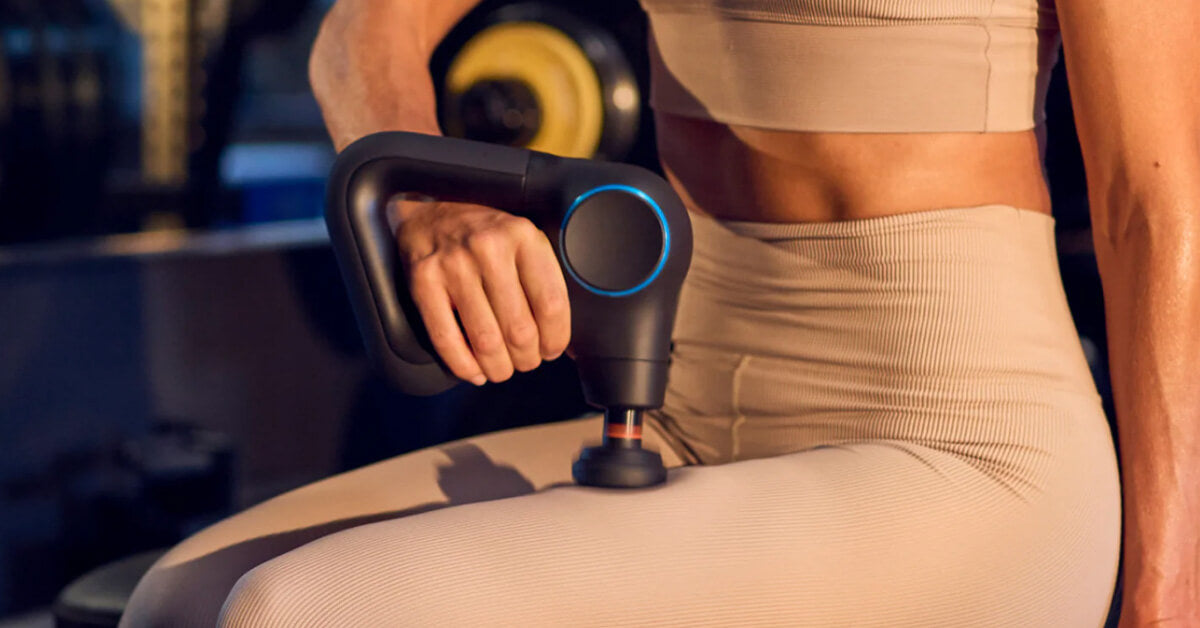
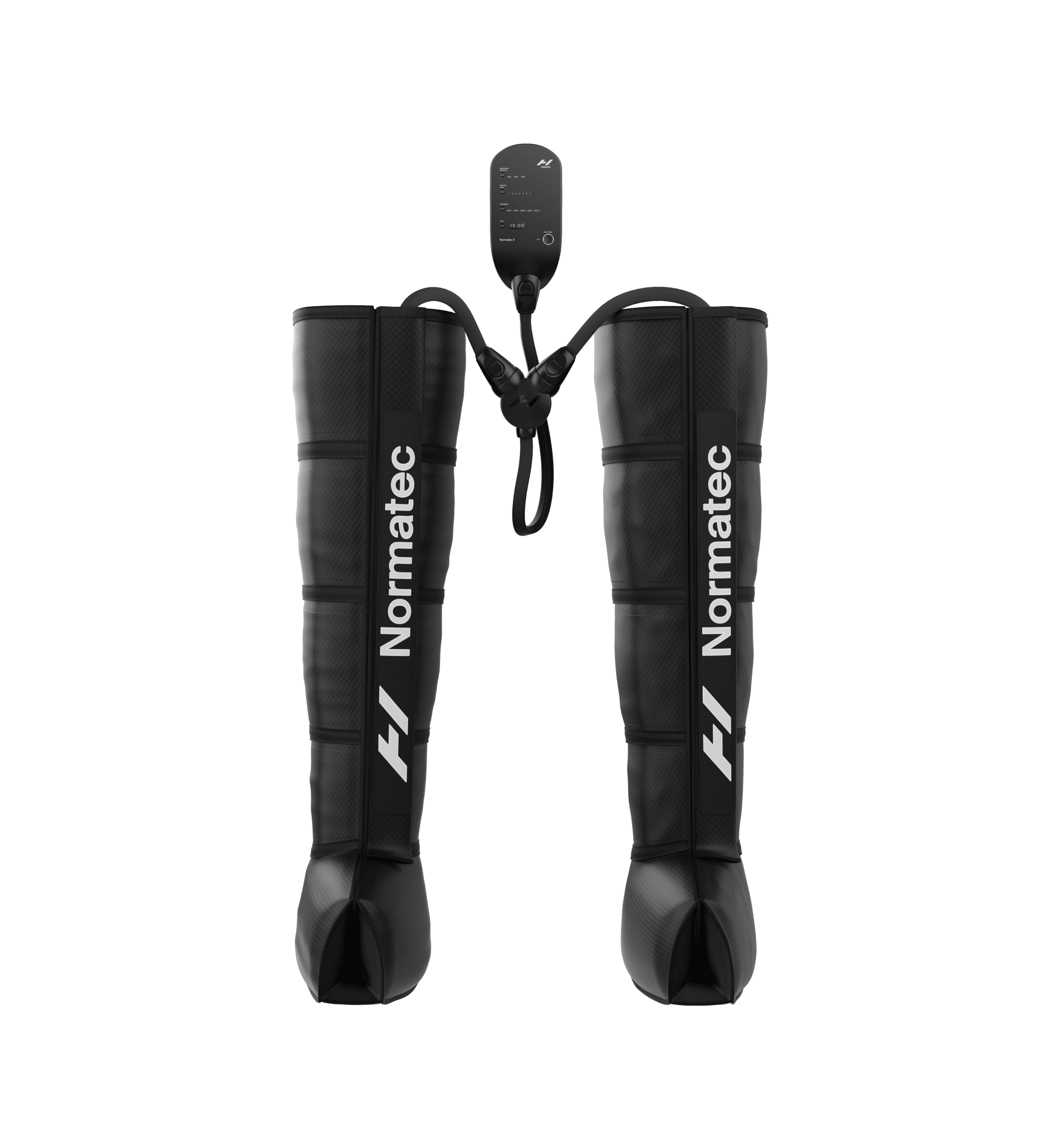
Walk into any high-end gym and the recovery corner has changed. Three years ago, you’d see a foam roller and a bin of lacrosse balls. Today, you see a Theragun PRO bolted to a charging dock, a pair of Hyperice Normatec compression boots draped over a chair, and probably a Hyperice X knee unit on a rack. Three different SKUs. Two different brands. The same buyer.
Therabody and Hyperice have spent the last 18 months releasing roadmaps that look suspiciously like mirror images. Therabody added compression sleeves. Hyperice doubled down on percussive guns. Both launched targeted heat-and-vibration units for the knee, the back, and the neck. Each acquisition rumor (and there have been three credible ones since 2024) pushes the same thesis: the recovery category is consolidating into a stack, not a single device.
Why this matters for buyers
Two reasons. First, if you’ve been waiting for one company to win so you can pick a side, you’re going to wait a long time. Second, the stack is becoming buyable in pieces, not in $2,500 bundles.
$799
Current sale price for the Normatec 3 Legs system, down from the $1,499 launch MSRP. Hyperice trimmed pricing aggressively in the last 18 months.
Hyperice 2026 retail, frequently $1,499 MSRP
Therabody’s Mini 3rd Gen costs $199, half what the original Mini cost three years ago. Pricing is moving in the buyer’s direction, even on the premium end.
What we’d do today
Buy one premium device, not three mid-tier devices. The temptation when you’re standing up a recovery setup is to grab a $200 percussion gun, a $300 compression boot, and a $150 vibration roller. We’ve tested every tier. The honest answer is that one Theragun PRO will out-perform that bundle on every axis except compression-specific recovery, and you can add a Normatec 3 later without overlap. Stack-builders win. Mid-tier completionists end up with a drawer full of gadgets.
If you’re starting fresh
Start with the Theragun PRO. Add the Normatec 3 if you’re an endurance athlete training above 5 hours/week. Add AG1 as a daily nutrient floor. That’s the full $2,300 stack. Skip any of the three depending on your training volume. Read the full breakdown in our best recovery tools guide.
The convergence story is bigger than gym tech
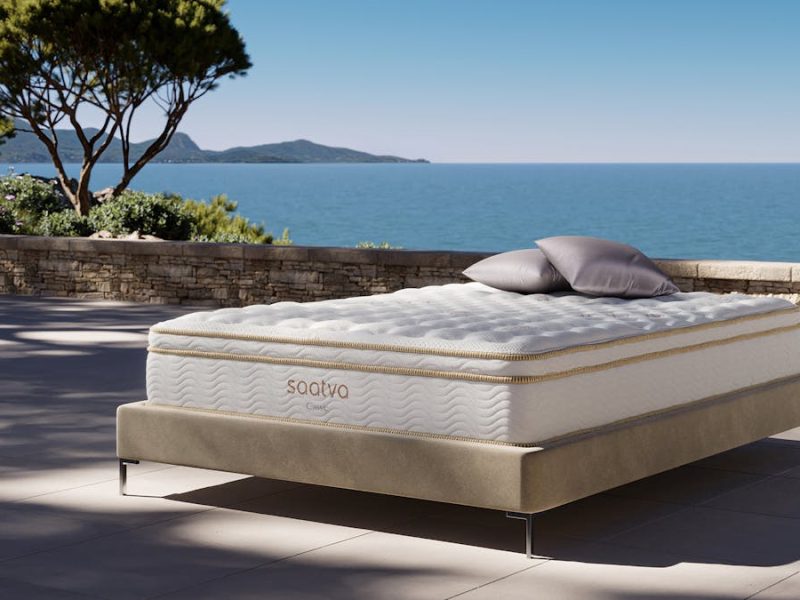
It’s a signal that home recovery, once a niche category dominated by gyms and PTs, is becoming infrastructure. The same trend pushed sleep into the consumer category in 2015, and the result was the direct-to-consumer mattress wave that brought us Saatva, Puffy, and Amerisleep. Recovery is following the same arc, three years behind.
Buy accordingly. Pick the high-leverage tools, skip the gadgets, and don’t wait for a clear winner that isn’t coming.
Published by: SamTheKing — Writer covering news
Reviewed, corrected and approved by: Martin Wood — Editor-in-chief
Updated on May 4, 2026