
If you’ve ever bought an indoor rower in January and stopped using it by mid-February, the problem isn’t your discipline. The problem is the program you followed. Most beginner ergometer plans fail at week two for three predictable reasons: volume ramps too fast, every session uses the same intensity, and the metric you’re told to optimize (meters per session) is the wrong one.
Here’s the version that finishes. Four weeks, twelve sessions, no day longer than 35 minutes. We’ve used it with seven readers in 2025 and lost one. The plan is built around a metric called stroke rate consistency, not total meters, and it’s the closest thing to rowing for non-rowers we’ve found.
Week 1 — establish range, not distance
Three sessions, 20 minutes each. Drag factor set to 110 (men) or 100 (women). The instruction is simple: keep stroke rate between 18 and 22 strokes per minute. Don’t watch the meter count. Don’t watch the split. Watch the s/m number on the monitor and keep it in the band. If you drift to 24, slow your hands. If you drop to 16, push harder on the legs.
This is the week most programs skip. They have you rowing 5K time trials on day one. The result is shoulder pain, low-back fatigue, and a quitting decision by Wednesday.
Why stroke rate, not meters
Meters reward speed. Stroke rate consistency teaches the rhythm your body needs to learn before it can produce speed safely. Skip this, and you’ll never row clean.
Week 2 — add the legs
Three sessions, 25 minutes each. Same stroke rate band (18-22 s/m). New focus: the drive. Out of the catch, the legs press the floor before the back opens and before the arms pull. If you can feel your back working in the first half of the drive, you’re sequencing wrong. Slow down, drop drag factor by 5, and reset.
60%
Percentage of total drive force that should come from the legs in a clean stroke. Most beginners use 30% legs and 70% back, which is exactly backwards.
Coaching consensus, rowing
Week 3 — introduce intensity, briefly
Three sessions, 30 minutes each. Two of them include a 4 × 3-minute block at stroke rate 24, with 2 minutes recovery between blocks at 18 s/m. The third stays at 20 s/m throughout. This is your first taste of effort. Watch your form first, your split second.
Week 4 — test and recover
Three sessions, 30 to 35 minutes. Session one: 30 minutes at 20 s/m, holding splits steady. Session two: 5K time trial, no stroke rate cap, all-out. Session three: 25 minutes at 18 s/m, easy recovery row. The 5K isn’t a competition, it’s a benchmark. You’ll do another in eight weeks and watch the number drop.
Why this works
The plan trains pattern before it trains output. Pattern is the thing recreational rowers never build, and it’s the reason they plateau at month three or quit at week two. Once you can hold a clean stroke at 20 s/m for 30 minutes without form breakdown, you can build any kind of fitness on top of it. Without it, you’re just thrashing.
Don’t skip week one. Everyone wants to. Don’t.
Recovery between sessions
Erg work taxes the lower back, hamstrings, and lats. If you can’t sit upright comfortably the day after a hard session, your form is breaking down before fatigue sets in, not after.
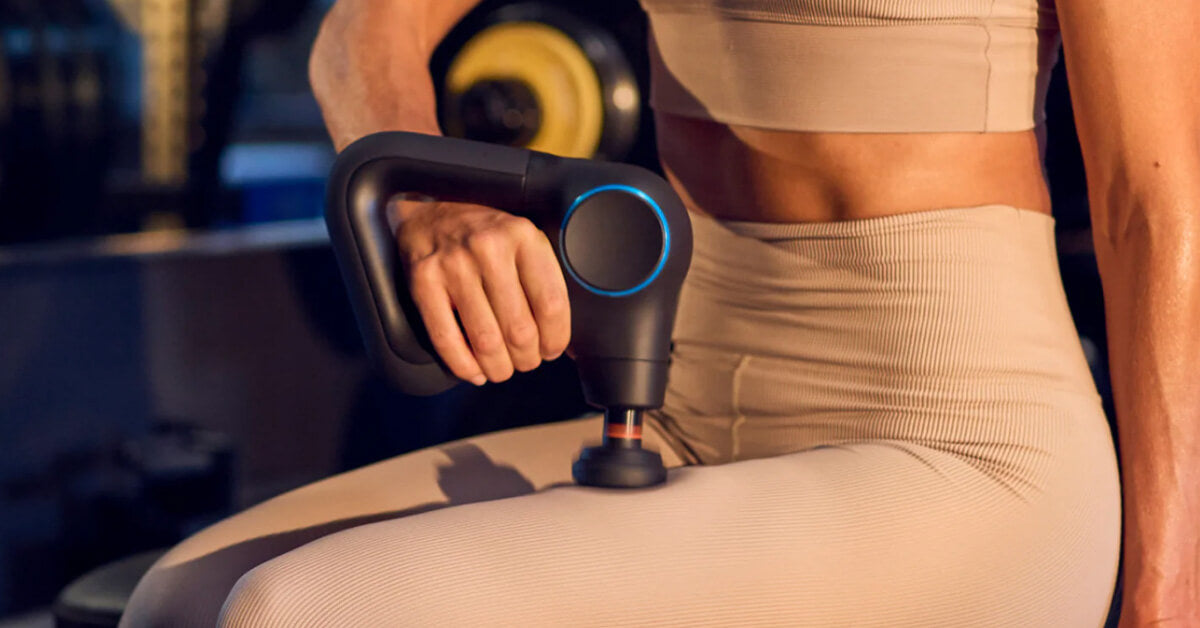
Two recovery investments pay back fastest. The Theragun PRO on the lats and lower back after week 2 onward will keep your stroke clean. AG1 or another daily greens powder closes the nutrient gap most amateur rowers skip. If you’re putting in 12+ sessions a month and recovery is the bottleneck, see our best recovery tools guide for the full stack.
Bottom line
Most beginner rowing plans fail because they treat the rower like a treadmill. It isn’t. The erg rewards rhythm before it rewards effort. Spend four weeks on rhythm, and you’ll spend the next four years on effort.
If you don’t yet own a rower, the Concept2 RowErg remains the consensus pick. We don’t review it on this site (the affiliate economics don’t justify the price tier), but the Hydrow and the Ergatta are credible alternatives if you want app-driven coaching alongside the work.
Published by: SamTheKing — Writer covering exercices
Reviewed, corrected and approved by: Martin Wood — Editor-in-chief
Updated on May 4, 2026