

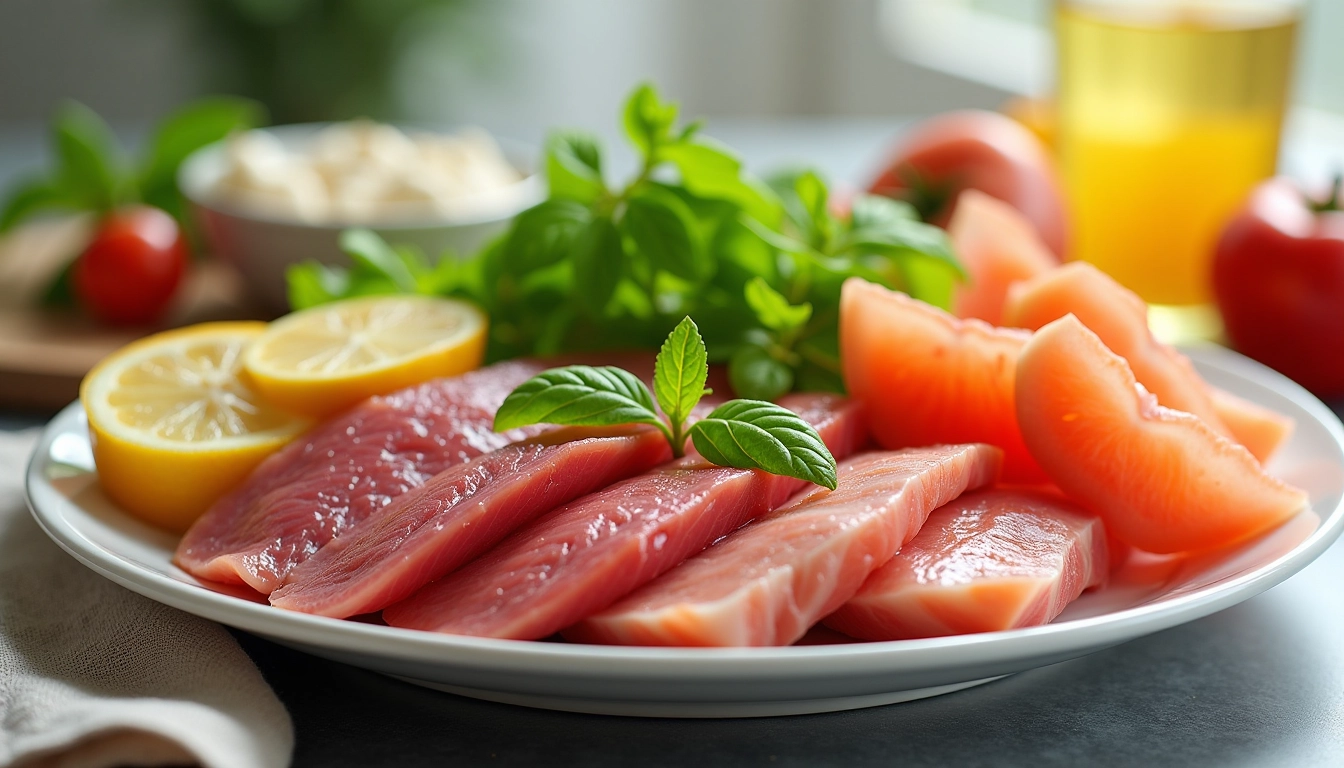
Imagine walking through life feeling like you’re constantly battling an invisible enemy. For millions of people struggling with histamine intolerance, this is their daily reality. But what if there were natural ways to reduce histamine levels and reclaim your health? Let’s embark on a journey through the fascinating world of histamine management, uncovering secrets that could revolutionize your well-being.
Understanding Histamine: Friend or Foe?
Histamine is a essentiel molecule in our body, playing roles in immune response and digestion. However, when histamine levels become imbalanced, it can lead to a host of uncomfortable symptoms. Dr. Sarah Thompson, a renowned nutritionist at the New York Wellness Center, explains, “Histamine is like a double-edged sword. While it’s essential for our body’s defense mechanisms, excess histamine can trigger a cascade of inflammatory responses.”
Symptoms of histamine intolerance can range from mild discomfort to severe allergic-like reactions. These may include headaches, digestive issues, skin rashes, and even anxiety. The key to managing these symptoms lies in understanding how to naturally reduce histamine levels in your body.
The Low-Histamine Diet: Your First Line of Defense
One of the most effective strategies for managing histamine levels is adopting a low-histamine diet. This approach involves avoiding foods high in histamine and those that trigger histamine release. Here’s a quick guide to get you started:
- Avoid: Aged cheeses, fermented foods, processed meats, and alcohol
- Choose: Fresh fruits and vegetables, freshly cooked meats, and non-citrus fruits
- Be cautious with: Tomatoes, spinach, and eggplant, which can be histamine liberators
Dr. Thompson advises, “Think of your diet as a river. You want to keep the histamine flow steady and manageable, not overwhelming the banks with a flood of high-histamine foods.”
Nature’s Antihistamines: Foods That Fight Back
While avoiding high-histamine foods is essentiel, certain foods can actually help combat histamine’s effects. These natural antihistamines can be powerful allies in your quest for balance:
- Quercetin-rich foods: Onions, apples, and berries
- Vitamin C powerhouses: Broccoli, cauliflower, and bell peppers
- DAO-boosting options: Olive oil, fresh pineapple, and watercress
“Incorporating these foods into your diet is like assembling a team of microscopic superheroes,” says nutritionist Emma Lawson. “They work tirelessly to neutralize excess histamine and support your body’s natural defenses.”
The Probiotic Potential: Balancing Your Gut for Histamine Control
The role of gut health in managing histamine levels cannot be overstated. Probiotics, those beneficial bacteria that support digestive health, can play a important role in histamine regulation. Certain strains, like Lactobacillus rhamnosus and Bifidobacterium infantis, have been shown to help break down histamine in the gut.
Integrating probiotics into your routine can be as simple as enjoying fermented foods like kefir or taking a high-quality supplement. However, it’s important to choose wisely, as some fermented foods can be high in histamine. For a deeper dive into the world of probiotics and their myriad health benefits, check out our comprehensive guide on the Benefits of Probiotics.
Stress Less, Histamine Less: The Mind-Body Connection
Stress isn’t just a mental burden; it can significantly impact your body’s histamine levels. When we’re stressed, our bodies release cortisol, which can trigger the release of histamine. This creates a vicious cycle of increased sensitivity and reactivity.
Dr. Michael Chen, a stress management expert, shares, “Managing stress is like turning down the volume on your body’s histamine alarm system. Practices like meditation, deep breathing, and yoga can be incredibly effective in reducing histamine-related symptoms.”
For those looking to incorporate yoga into their fitness routine, our article on Yoga Before or After Running offers valuable insights on how to balance these complementary practices.
Hydration: The Unsung Hero of Histamine Management
Water might seem like a simple solution, but its impact on histamine levels is profound. Proper hydration helps flush excess histamine from your system and supports the body’s natural detoxification processes.
Aim for at least 8 glasses of water a day, and consider adding histamine-lowering herbs like peppermint or nettle to your water for an extra boost. “Think of water as your body’s internal cleansing system,” advises hydration specialist Dr. Lisa Ramos. “It’s constantly working to maintain balance, including keeping histamine levels in check.”
Supplemental Support: Boosting Your Body’s Defenses
While diet and lifestyle changes form the foundation of natural histamine management, certain supplements can provide additional support. Here are some options to consider:
- Vitamin C: A natural antihistamine that also supports overall immune function
- Quercetin: A flavonoid that can help stabilize mast cells and prevent histamine release
- DAO enzymes: Supplements that provide the enzyme responsible for breaking down histamine in the gut
Always consult with a healthcare professional before starting any new supplement regimen, as individual needs can vary greatly.
The Exercise Equation: Finding the Right Balance
Exercise is a double-edged sword when it comes to histamine management. While moderate exercise can help reduce inflammation and support overall health, intense workouts can temporarily increase histamine levels.
The key is finding the right balance for your body. Start with gentle exercises like walking, swimming, or yoga, and gradually increase intensity as your body adapts. Pay attention to how your body responds and adjust accordingly.
For those engaging in more intense activities like running, proper nutrition becomes even more majeur. Our article on Nutrition for Long Distance Running offers valuable insights that can be adapted for histamine-sensitive individuals.
Natural Histamine Reducers: Nature’s Medicine Cabinet
Mother Nature offers a wealth of herbs and natural compounds that can help manage histamine levels. Some of the most effective include:
- Stinging Nettle: Known for its antihistamine and anti-inflammatory properties
- Butterbur: Shown to be effective in reducing allergy symptoms
- Ginger: A powerful anti-inflammatory that can help modulate immune responses
“These natural remedies are like a gentle breeze clearing the fog of histamine overload,” metaphorically explains herbalist Jennifer Wright. “They work with your body’s innate wisdom to restore balance and comfort.”
As we conclude our exploration of natural ways to reduce histamine levels, remember that the journey to better health is deeply personal. What works wonders for one person may not be as effective for another. The key is to listen to your body, be patient, and work closely with healthcare professionals to find the right combination of strategies for you.
How will you take the first step towards a histamine-balanced life? Perhaps it’s swapping out a high-histamine food for a low-histamine alternative, or maybe it’s incorporating a new stress-reduction technique into your daily routine. Whatever path you choose, know that each small change is a victory in reclaiming your health and vitality.
By embracing these natural approaches to histamine management, you’re not just treating symptoms; you’re nurturing your body’s innate ability to heal and thrive. Here’s to your journey towards balance, wellness, and a life less burdened by the challenges of histamine intolerance.
Published by: Martin Wood — Writer covering nutrition
Reviewed, corrected and approved by: Martin Wood — Editor-in-chief
Updated on May 4, 2026